Developing a software product – how to make it a success
19 January 2023 | Noor Khan


Developing and software product requires a lot of time, resources and budget, therefor ensuring it is a success is key. In this article, we will explore the key features and characteristics of good software products that make them a winner in the market on a long-term basis.
User Experience
User experience is absolutely key to the success of software. If the software is not built with ease for the end user in mind, the user will abandon it no matter how much value it offers and move to an alternative. The software UI needs to be seamless in simplicity and easy for the user to navigate. User experience, although vital is not explicitly taught, therefore developers will often struggle to provide a great user experience for the end user.
According to Truelist, the ROI from UX investments is just under 1,000%. Here are multiple factors that can inform and enable a good user experience and they include:
- Analysing existing software products on the market that are known for superior user experience and adopting the key findings in the software.
- Test the software with multiple types of users from a variety of performances to find any gaps that you may have missed.
- Consider the user journey and how they will navigate through the software and how easy it is to do that.
- Map out the various interfaces/pages/frames of the software as a hierarchical chart to visualise the navigation
Performance
The software needs to be high performing for it to be a success. This is when the technologies that build the software play a key role. Selecting the right technologies to build the software will have a huge impact on the software's performance. For example, if you have a search bar on a grid-like visual, the results need to be pulled up pretty much instantly, therefore you may take the AG Grid approach to ensure high performance.
There are multiple factors which will impact the performance of your software and they include:
- The complexity of the software
- The latency between the user and servers
- The database layer
Scalability
Any goods software needs to be scalable in order to maintain its longevity and provide value to an organisation over a prolonged period of time. Businesses, users and systems will grow and evolve, therefore your software needs to be scalable enough to keep up with those changes. The scalability of software does often refer to the ability of the software to perform with increasing data loads. To ensure scalability, often developers will employ cloud solutions which offer scalability with less costs compared to investing in hardware.
A scalable software will shrink or expand to meet the demands. A great example of this is for seasonal businesses, which may have higher demands, usage and users in peak times and much less in off-peak times. Scalable software enables an organisation to seize opportunities and save long terms costs with the ability to scale down in off-peak seasons.
Adaptability
Adaptable software can help businesses take advantage of changes whether that’s customer demands and expectations or the changes in the market. It can also help businesses target a variety of audiences and target markets. For example, our sister company TEBillion offer TEB business automation software that is adaptable to each client. This enables the company to market the software to multiple industries and organisations.
Security
Security is a concern and challenge for many organisations and needs to be a priority when it comes to building software. There are many ways in which security can be ensured when building software and this can include:
- Access control and permissions – user access is controlled so only required data is accessible
- Follow industry best practices and standards such as ISO 27001
- Carry out regular penetration testing
Maintainability
When it comes to developing a software product it needs to be maintainable and preferably at low costs and low convenience. The scale of the software and the number of users are just some of the factors that will inform your maintenance strategy. Your software may require updates and penetration testing from time to time, however, if you have a large-scale app with millions of users such as Instagram or TikTok, you may need ongoing operational monitoring and support to ensure optimum performance. This can help you mitigate the chances of the software having performance issues and errors which can crash the system.
Ardent software development services
Ardent started as a software development company nearly 15 years ago. We have been delivering software excellence for many years, working on a wide range of products for clients hailing from multiple industries. We build software that is:
- User friendly
- High performing
- Highly scalable
- Adaptable to change
- Completely secure
- Maintainable
Explore our software development success stories:
- Fine art storage and preservation software to make logistics simple
- Automating warehouse management with a user friendly mobile app
- Service quality management software for IT projects as a offering to world-renowned brands
If you are looking to outsource your software development project or work with an Extended Team Model, we can help. Get in touch to find out more about how we can help bring your vision to life.
Ardent Insights

Which Platforms Are Ahead in AI-Ready Data Pipelines?
At Ardent, we have spent years helping organisations design, modernise and operate the data foundations behind critical reporting, analytics and decision-making. That experience gives us a clear view of what now separates AI-ready businesses from those still struggling to get value from their data. It is not the amount of data they hold, or even [...]
Read More... from Developing a software product – how to make it a success
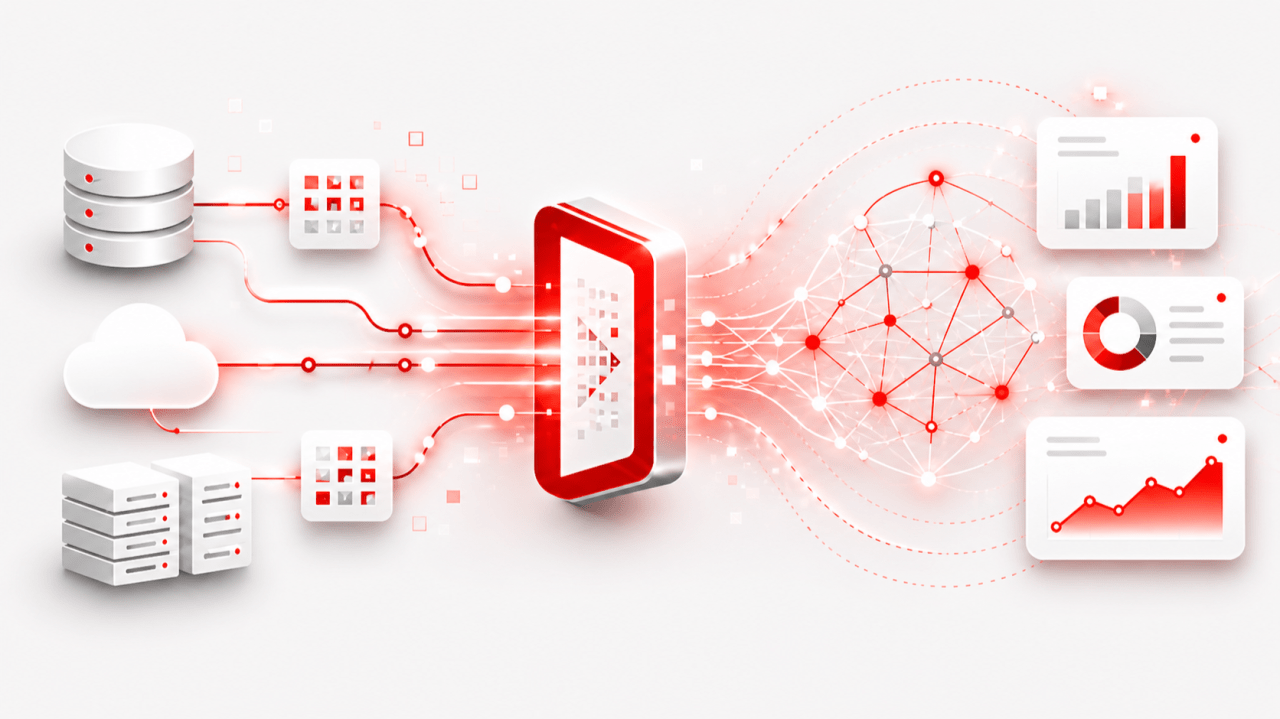
Making Your Existing Data Pipelines AI-Ready
From Stable Infrastructure to Adaptive Intelligence Most organisations do not need more data. They need their existing data to work better. At Ardent, we spend a significant amount of time inside large-scale client data platforms that are already mature, operational, and delivering value. These are not greenfield environments. They are complex ecosystems built over years, [...]
Read More... from Developing a software product – how to make it a success
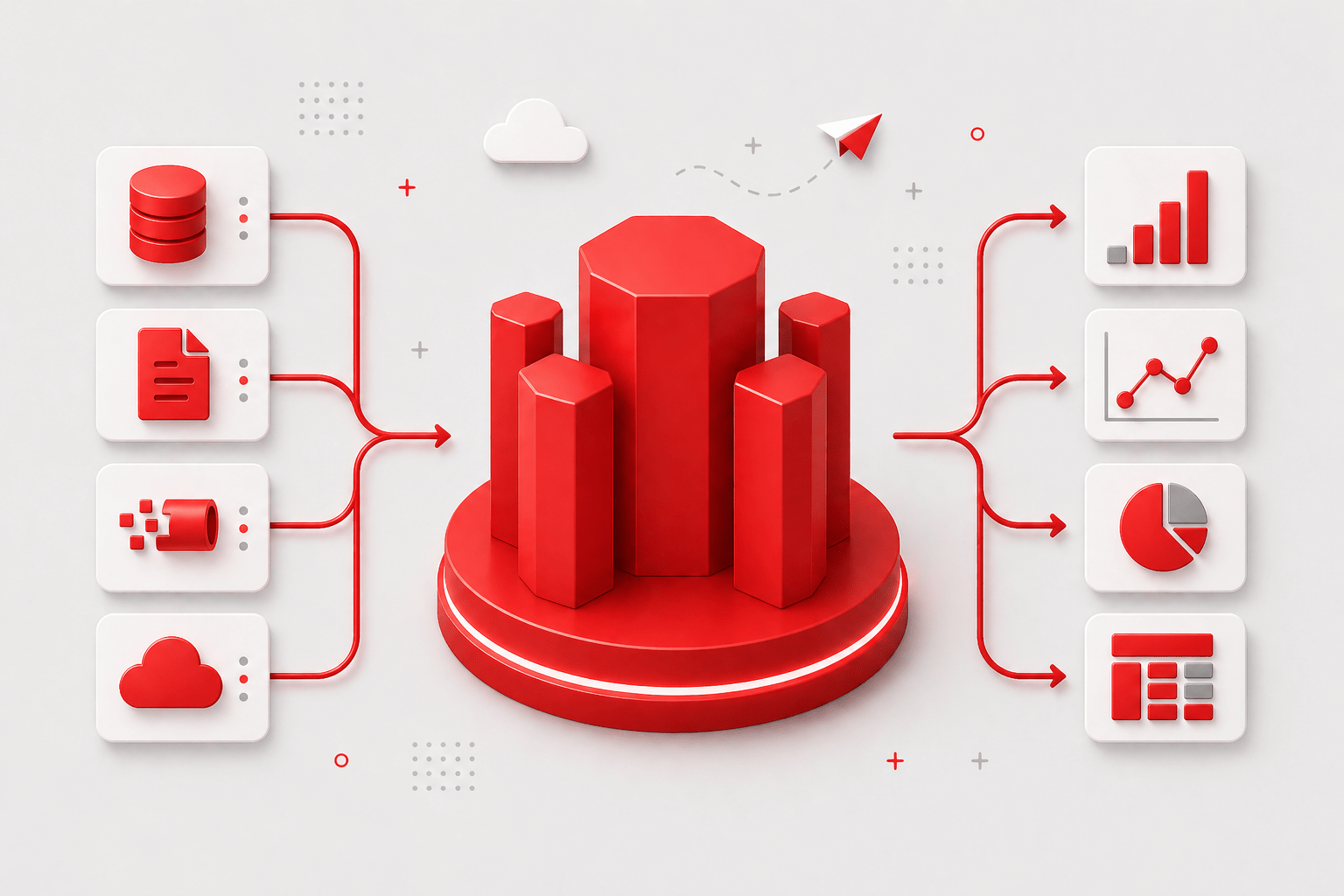
AI-Powered ETL in Amazon Redshift
When the Warehouse Starts Doing the Work In our previous piece, we explored how ETL (Extract, Transform, and Load) is evolving into adaptive, intelligent systems. In Redshift environments, we are now seeing what that shift looks like in practice. For most of its life, Amazon Redshift has been treated as the final step in the [...]
Read More... from Developing a software product – how to make it a success
Services
About
UK
US
India

