Data pipeline automation – what you need to know
5 December 2022 | Noor Khan


Your time and resources are precious, and when you are running a process that involves a lot of data, and potentially is costing you for every action (or inaction) – making the most of your budget is crucial.
Data Pipelines are set tools and processes responsible for the movement and transformation of data between the originating system and the target repository. Every pipeline has some level of automation due to the nature of the processes involved but without a specially designed process and specific aim to build more automation in, this level is basic, and there are certain codes, triggers, and build developments that can be applied to your data pipelines, in order to optimise their functions, increase their efficiency, and reduce the number of dedicated manhours spent in real-time managing the operation of the systems.
Read the started guide on data pipelines.
Highly skilled Data Engineering Teams, who frequently work with challenging database requirements, will often look at improving automation as a priority, in order to gain maximum efficiency and operational benefits.
Why is it important to automate your data pipeline?
The movement of data from one destination to another is influenced by a number of factors, not least the size of the data, the speed at which it is being transferred, and the way in which the data is formatted.
All of these different elements will have an impact on how your pipeline works, and whether you are getting the most for your budget on platforms that require you to spend for each action or increment of data usage.
When you automate your data, you are making the process faster, more efficient, and capable of operating without direct oversight. With the right expert recommendations and processes, companies have found they can improve data turnaround by 80%.
When should you move to an automated pipeline?
Knowing when to make your move to an automated service is important, you need to balance the needs of your company and the flow of the data, against possible delays and the time it takes to set up the new system. You may consider moving when your data sources are difficult to connect to, this would allow you to find a process that works and automate it so that you can repeat it easily.
If your data is constantly changing, and you need to keep track of what is happening at various points of time, automation can be used to create time-based triggers, allowing you to record specific moments for later analysis. When you need to be able to tell the difference between data sets, automation allows you to create triggers that identify where the data has changed.
There are plenty of other reasons why changing to an automated pipeline is the sensible option for you and your business and understanding your needs will go a long way to determining how you implement these processes.
Setting up, developing, and monitoring these pipelines can be complex, but with expert advice, the right team, and an approach that makes data science more efficient, the difference it makes to your data processing makes it all worthwhile.
Ardent data pipeline development services
Ardent have developed many data pipelines driven by automation to make data pipelines more efficient, with less requirement for manual processes and human interaction. This has saved our client's significant costs and resources. If you are looking to build robust, scalable and secure data pipelines for your organisation we can help. Our leading data engineers are well-versed in a variety of data technologies to help you unlock your data potential including the likes of
- The spectrum of AWS technologies
- Microsoft Azure technologies
- MongoDB
- Databaricks
- Google Cloud
- Apache Kafka
Get in touch to find out more to get started or explore data pipeline development.
Ardent Insights

Which Platforms Are Ahead in AI-Ready Data Pipelines?
At Ardent, we have spent years helping organisations design, modernise and operate the data foundations behind critical reporting, analytics and decision-making. That experience gives us a clear view of what now separates AI-ready businesses from those still struggling to get value from their data. It is not the amount of data they hold, or even [...]
Read More... from Data pipeline automation – what you need to know
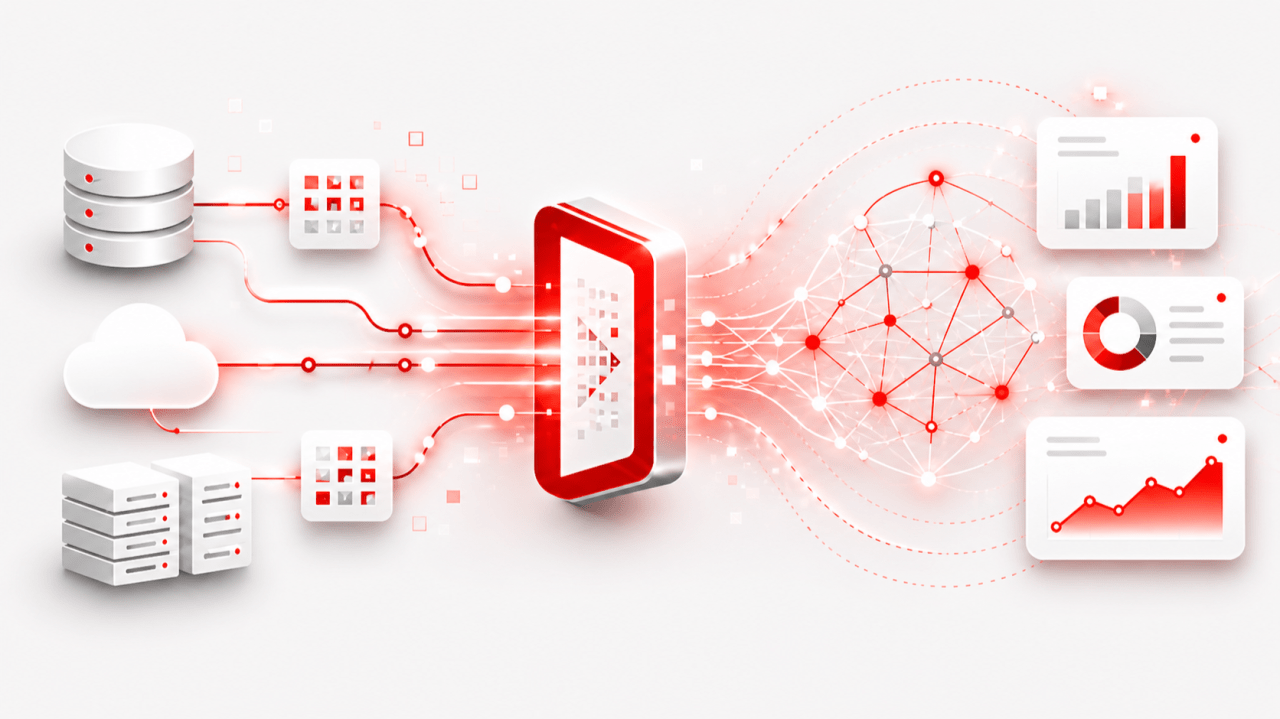
Making Your Existing Data Pipelines AI-Ready
From Stable Infrastructure to Adaptive Intelligence Most organisations do not need more data. They need their existing data to work better. At Ardent, we spend a significant amount of time inside large-scale client data platforms that are already mature, operational, and delivering value. These are not greenfield environments. They are complex ecosystems built over years, [...]
Read More... from Data pipeline automation – what you need to know
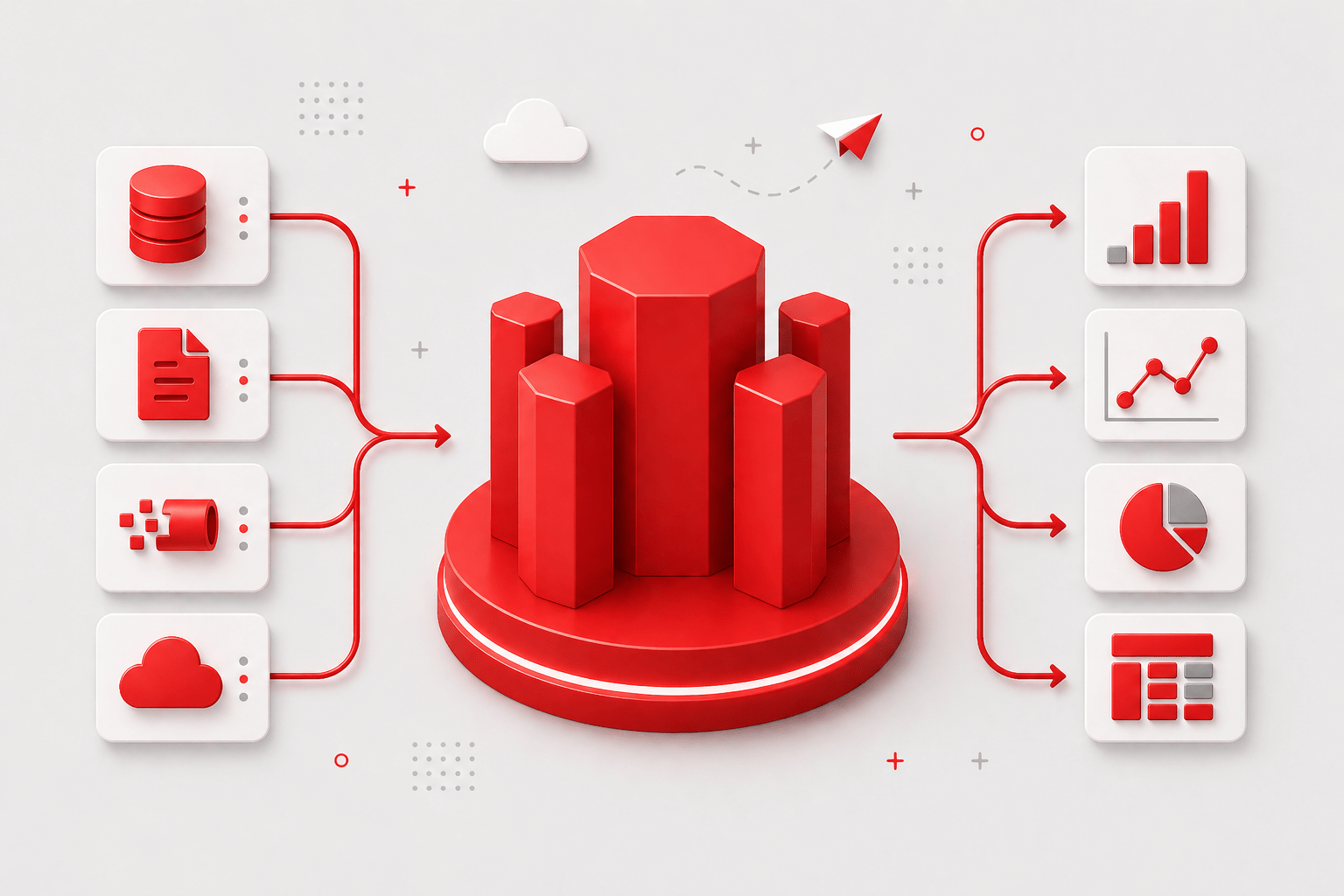
AI-Powered ETL in Amazon Redshift
When the Warehouse Starts Doing the Work In our previous piece, we explored how ETL (Extract, Transform, and Load) is evolving into adaptive, intelligent systems. In Redshift environments, we are now seeing what that shift looks like in practice. For most of its life, Amazon Redshift has been treated as the final step in the [...]
Read More... from Data pipeline automation – what you need to know

Services
About
UK
US
India

