Data warehousing technology stack – choosing the right technologies
8 December 2022 | Noor Khan


A data technology stack is a set of services and/or technologies, which companies use to store, access, and manage their data. In a data warehouse, this process requires the extraction of raw data from chosen sources to be sourced and loaded into the data warehouse using a data pipeline.
There are different ways you can handle your data, from the initial collation and extraction, you can either go with the ETL (Extract Transform Load) or the ELT (Extract Load and Transform).
Every aspect of the process has different elements to be considered, and generally, different options for handling it. Determining what data management tools and processes are best for your needs is crucial, and it is something you need to decide before you start actively developing your data management strategy.
What should you be looking for in a data warehouse?
There are going to be elements of the process and your decision-making that relate specifically to your individual business needs, and it is recommended that you seek advice on what tools, platforms, and functions will suit your needs and your budget best.
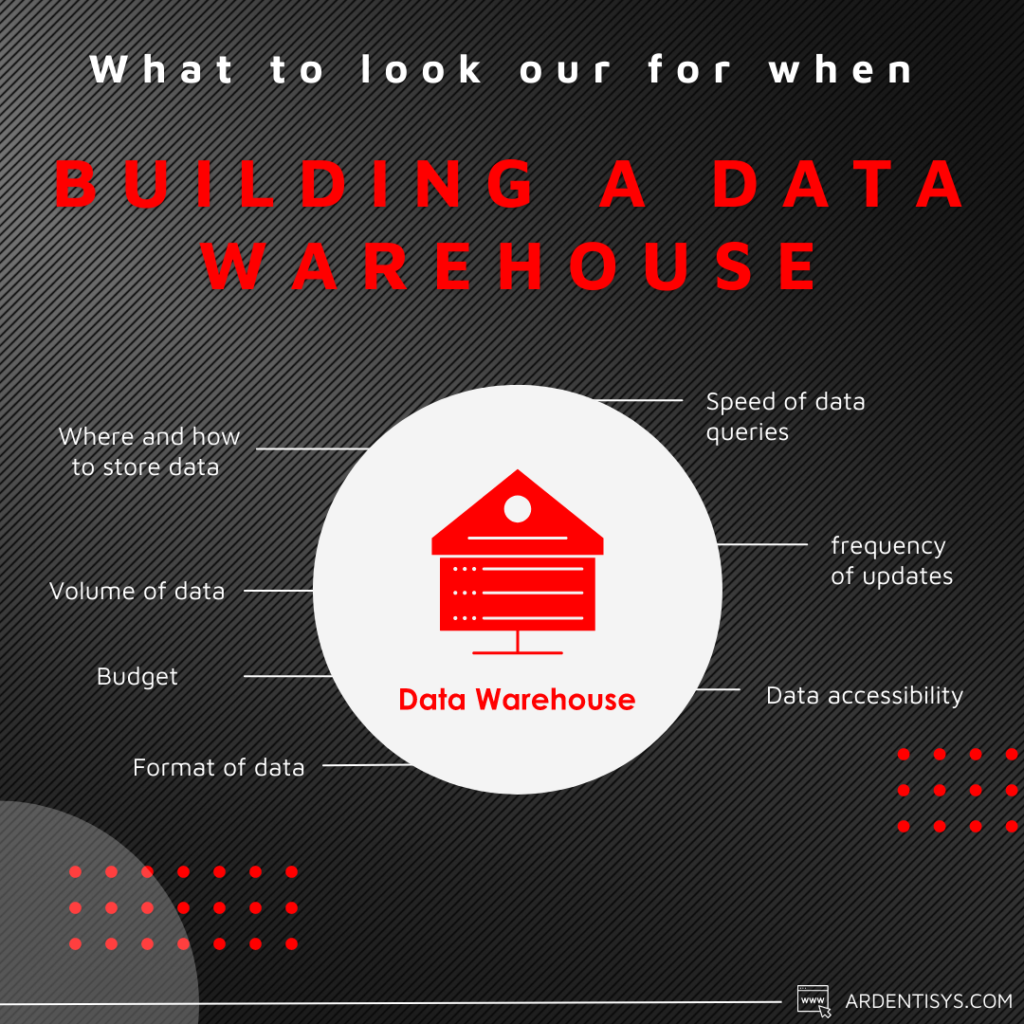
But in very general terms, you will need to consider:
- Where and how you want to store your data
- What applications you are using, and the formats your data exist in
- How many people will need to access the data
- How often the data will need to be updated, added to, and accessed
- How quickly do you need your data when you are querying it
- The amount of data you are planning on storing
- How much you are willing to spend on your data warehouse and the maintenance of it
You need to look at both the benefits, and the challenges with data warehousing, and determine what configuration, platforms, and level of support is going to provide you with the functionality you require.
What technologies are available for creating a data technology stack?
Setting up your own data technology will require thought and consideration. Especially if you do not have in-house experts that can guide you. Many organisations will work with one cloud provider and use tools and technologies offering by that provider. For example, a market research company may opt for AWS cloud services, in which case they may opt for AWS Redshift for data warehousing and AWS S3 for data lakes. To get started with choosing the data technology stack consider:
- Identify your data sources
- Establish the right data warehouse architecture and choose a data warehouse technology
- Determine which data ingestion tool you will use
- Determine how you will model the data
- Select your data analytics process, will you opt for a business intelligence tool such as Power BI or go for a custom data reporting tool?
- Determine how the data will be processed, will it be processed in batches, stream or real-time?
Selecting the right tools and technologies, that make this something that needs careful consideration and research if you are not familiar with the process and technology.
Choosing the technologies for your data warehousing technology stack
There are a lot of different options for data warehousing available, from large highly scalable options such as Amazon Web Service’s (AWS) Redshift, Microsoft Azure SQL to more niche and developing options such as Snowflake.
Read the full article on data warehousing technologies – make the right choice.
We recommend that you do research into the technology partners that you are interested in, and compare each of the services and platforms, looking at what they can do, and what they provide – and matching them against your own business needs. If you are still unsure about what you need, we suggest reading our success stories, you may discover that others have had similar requirements to yours and that we already have the processes and tools to help you straight away.
Ardent data warehousing services
Our highly skilled data engineering team have a proven track record in designing and building well-architected data warehouses for a range of clients including marketing research and media companies. If you want your order data to be clean, organised and accessible to drive BI (Business Intelligence), then we can help. Discover how some of our clients are winning with data engineering solution delivered by Ardent:
- Monetizing broadcasting data with reliable, timely data availability for real time, mission critical data
- Improving data turnaround by 80% with Databricks for a Fortune 500 company
- Powerful insights driving growth for global brands with robust, scalable data pipelines with AWS infrastructure
Explore our data warehousing services for more information or get in touch to get started.
Ardent Insights

Which Platforms Are Ahead in AI-Ready Data Pipelines?
At Ardent, we have spent years helping organisations design, modernise and operate the data foundations behind critical reporting, analytics and decision-making. That experience gives us a clear view of what now separates AI-ready businesses from those still struggling to get value from their data. It is not the amount of data they hold, or even [...]
Read More... from Data warehousing technology stack – choosing the right technologies

Making Your Existing Data Pipelines AI-Ready
From Stable Infrastructure to Adaptive Intelligence Most organisations do not need more data. They need their existing data to work better. At Ardent, we spend a significant amount of time inside large-scale client data platforms that are already mature, operational, and delivering value. These are not greenfield environments. They are complex ecosystems built over years, [...]
Read More... from Data warehousing technology stack – choosing the right technologies
AI-Powered ETL in Amazon Redshift
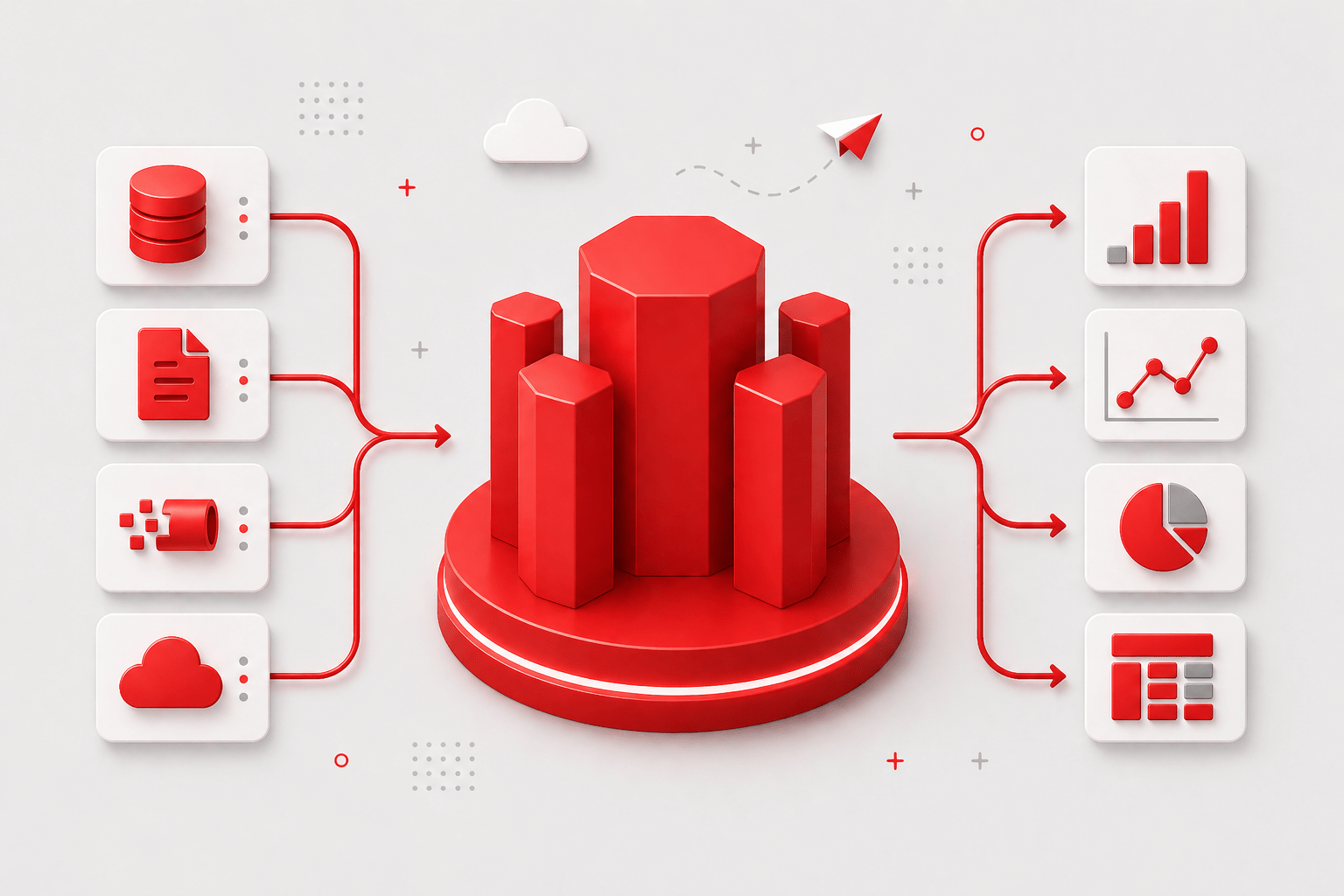
When the Warehouse Starts Doing the Work In our previous piece, we explored how ETL (Extract, Transform, and Load) is evolving into adaptive, intelligent systems. In Redshift environments, we are now seeing what that shift looks like in practice. For most of its life, Amazon Redshift has been treated as the final step in the [...]
Read More... from Data warehousing technology stack – choosing the right technologies

Services
About
UK
US
India

