Data migration strategies – Trickle Vs Big Bang
9 September 2022 | Noor Khan


Are you looking to migrate your data? Is it because your data has outgrown your existing systems or do you want to centralize your data? Whatever, the reason behind your decision, data migration can provide incredible benefits to organisations ranging from improved data performance, collated information, and data set, reduce long terms costs and increase ROI. Ensuring you choose the right data migration strategies is important for you to successfully complete your data migration within the set time and budget.
There are two main types of data migration strategies. We will explore each one, the key benefits and limitations of each and how to choose which is the right strategy for your data and organisation.
Trickle database migration
Trickle migration is the migration of data in small increments, hence the name ‘trickle’. The data is broken down and organised in chunks to carry out the migration for each separately. Each chunk of data migration will have its own timeline and once completed the next mini-migration can begin. This ensures that should an error or failure occur the entire data migration is not impacted. Only, the data migration at hand is affected which makes dealing with these issues a lot more manageable for the data migration teams.
There are some key benefits and limitations to consider if you are looking to migrate your data with the trickle database migration.
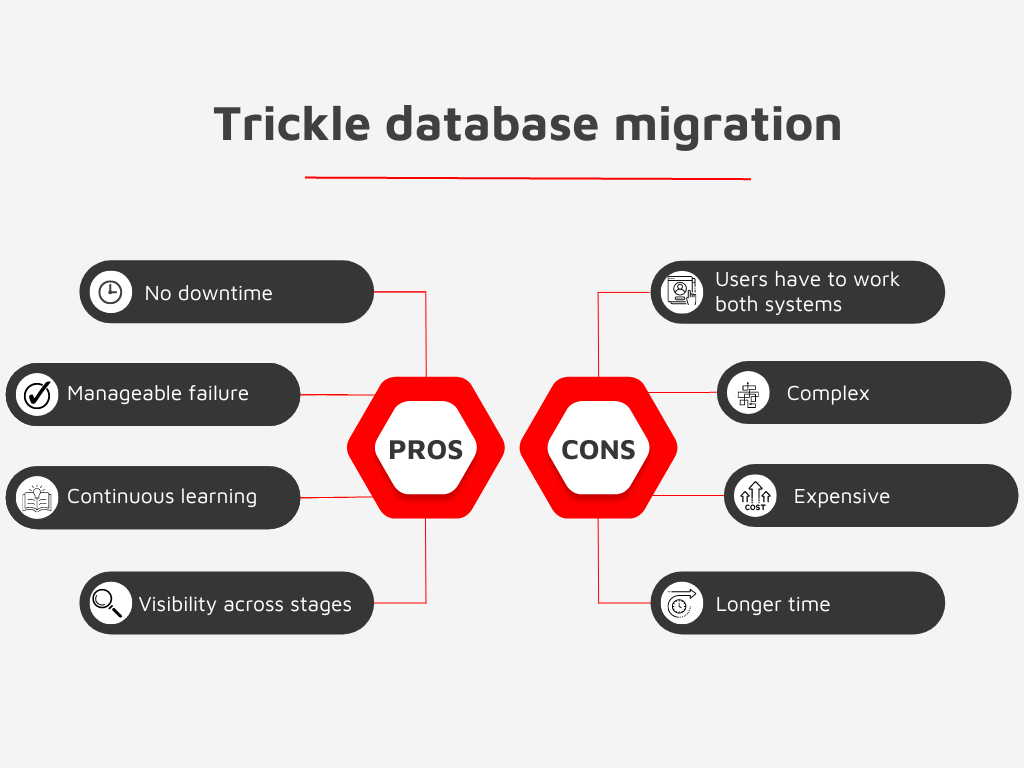
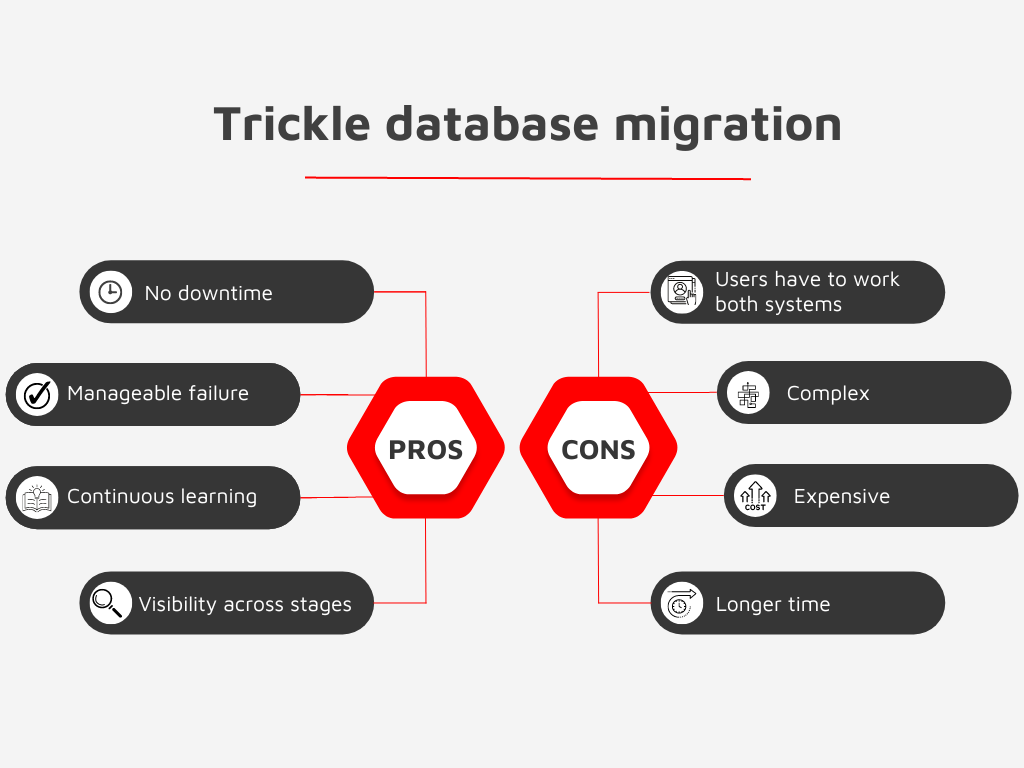
Key benefits of trickle database migration
- Manageable failure recovery
- No downtime is required
- Any lessons learnt can be applied to subsequent mini-migration
- Visibility across data migration stages
Limitations of trick database migration
- It may require a longer time with multiple mini migrations
- Users have to work with both systems to access their data during the migration process
- Can be more expensive to maintain both source and destination systems
- Can be more complex with the syncing of data
Big bang database migration
Big bang database migration is data that is migrated in one phase. The entire database migrates from one system to another, therefore a significant level of preparation is key. To ensure minimal disruption to a business's operations, designing, planning and testing are key. With this method there will be downtime of the system when the actual ‘bang’ data migration is taking place, this will vary depending on a wide range of factors including volume of data, variety of data, data source and destination and the technologies employed.
There are a number of key benefits and limitations of big bang database migration and they include:
Key benefits of big bang database migration
- It can be in-expensive if all goes to plan
- One big migration can be simple compared to parallel migrations taking place
- The actual migration point is in a short time frame
Limitations of big bang database migration
- If one error occurs it can impact the entire data migration
- This can result in extended downtime and high costs
- Downtime is required for both source and destination systems
Data migration strategies - Big bang database migration Vs Trickle database migration
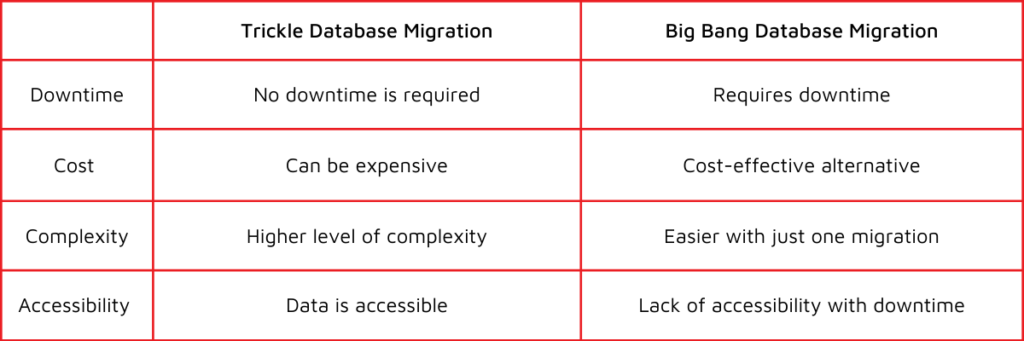
Choosing the right data migration strategy is key to avoiding dealing with longer downtimes and costly failures. Therefore, you will need to take these factors into consideration:
- Are you able to have a downtime of your systems or do the systems need to be up and running to ensure data consistency?
- What is your budget? As big bang can be the more cost-effective solution if no major issues occur.
- What is the volume and variety of data, which will ultimately affect the duration and the strategy selected?
- How accessible does your data need to be during the migration process?
Ardent data migration solutions
If you are unsure about what data migration strategy is right for you, then speak to an experienced data engineering services provider to get an insight into what is best suited to your data and your organisation. Ardent has worked with a wide variety of clients to deliver data migration solutions with minimal disruption to day-to-day operations.
Find out how to create an effective data migration plan to ensure its a success and the key challenges of migrating data.
If you want peace of mind whilst migrating your data with experienced professionals, then get in touch to find out more.
Ardent Insights

Which Platforms Are Ahead in AI-Ready Data Pipelines?
At Ardent, we have spent years helping organisations design, modernise and operate the data foundations behind critical reporting, analytics and decision-making. That experience gives us a clear view of what now separates AI-ready businesses from those still struggling to get value from their data. It is not the amount of data they hold, or even [...]
Read More... from Data migration strategies – Trickle Vs Big Bang
Making Your Existing Data Pipelines AI-Ready
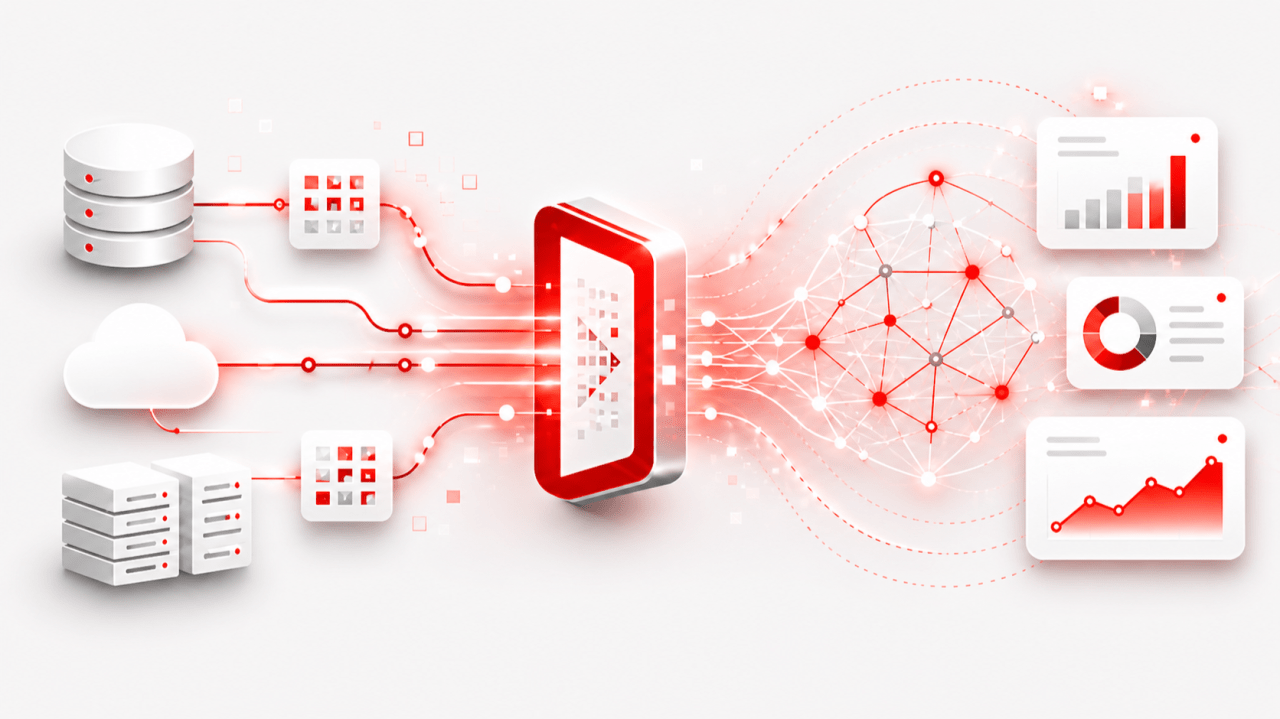
From Stable Infrastructure to Adaptive Intelligence Most organisations do not need more data. They need their existing data to work better. At Ardent, we spend a significant amount of time inside large-scale client data platforms that are already mature, operational, and delivering value. These are not greenfield environments. They are complex ecosystems built over years, [...]
Read More... from Data migration strategies – Trickle Vs Big Bang
AI-Powered ETL in Amazon Redshift
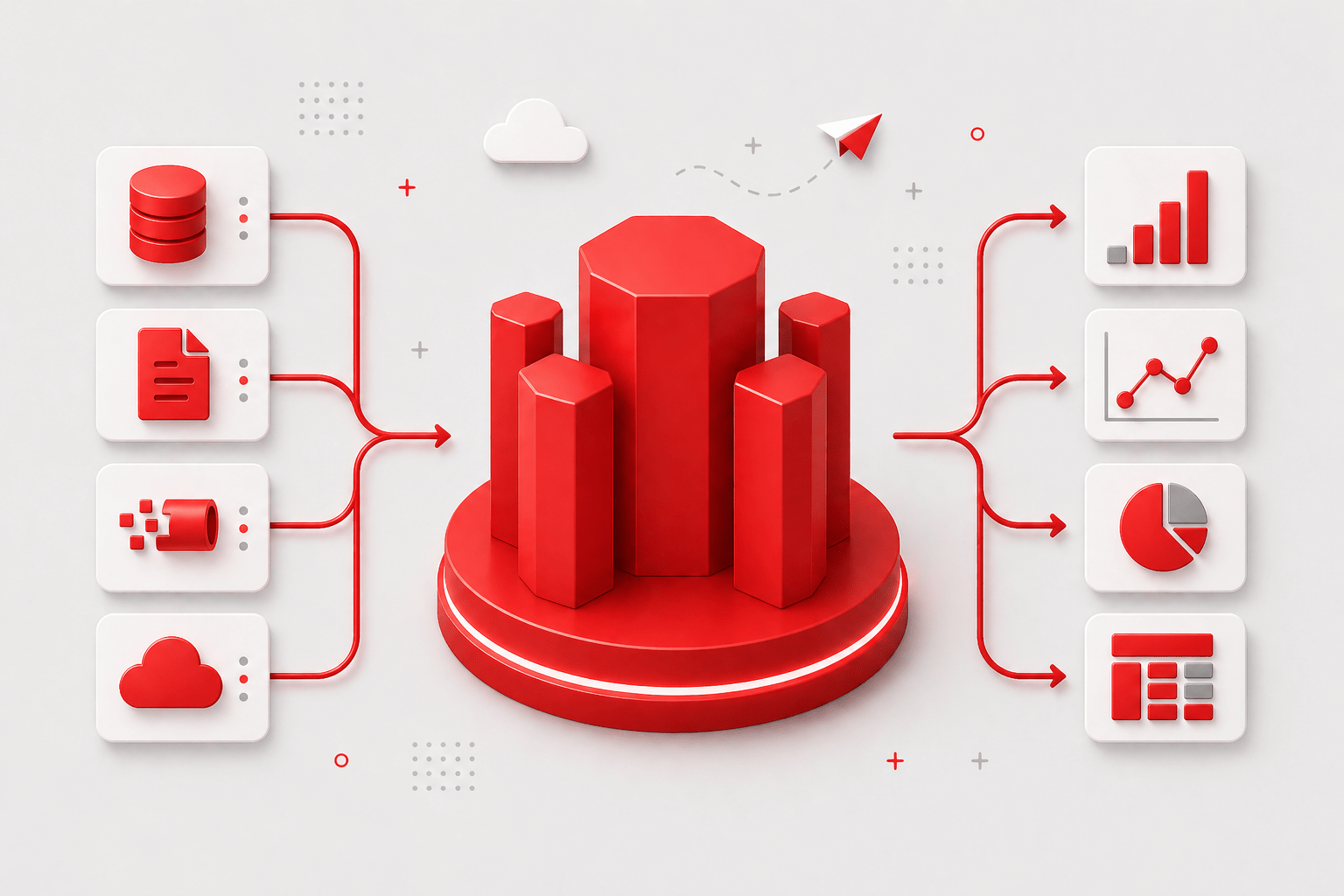
When the Warehouse Starts Doing the Work In our previous piece, we explored how ETL (Extract, Transform, and Load) is evolving into adaptive, intelligent systems. In Redshift environments, we are now seeing what that shift looks like in practice. For most of its life, Amazon Redshift has been treated as the final step in the [...]
Read More... from Data migration strategies – Trickle Vs Big Bang
Services
About
UK
US
India

