Migrating to the cloud? Choose the right cloud migration strategy
31 January 2023 | Noor Khan


Forbes found that cloud solutions achieve a 4.01 high ROI compared to on-premise solutions, making the business case for adopting the cloud irrefutable. This statistic alone offers a great incentive for businesses to migrate to the cloud. The cloud can help businesses become agile, improve the performance of their data and easily scale up and down without hefty price tags.
When it comes to migrating to the cloud, there are 6 commonly used strategies. In this article, we will look at the different 6 R’s of cloud migration so you can choose the one that is right for your organisation and data.
Rehosting
Rehosting the cloud migration strategy process refers to taking the application, data and infrastructure from one location and moving them to the cloud. Although, it is a simple and effective method it can have some drawbacks. With approach businesses may not be able to fully leverage the power of the cloud on a long-term basis, however, can benefit from improved performance. The pros and cons of rehosting cloud migration are:
Pros:
- Cost-effective
- Simple, and relatively easy to do
- Quick process
- Avoid typical on-server challenges
- Handle peaks seasons without investing in costly hardware
Cons:
- Limitation of flexibility
- May not be cost-effective in the long run
- Does not offer optimisation and scalability
Replatforming
The platforming cloud migration is the next level up from rehosting where you make some minor changes and adjustments to the cloud environment to better improve the performance of the systems and data. However, another you will find is scaling up and down and leveraging other key benefits of the cloud, without fully optimising your system to the cloud. It is cost-effective in its initial phase as it does not require significant time and resources. Some pros and cons of the real platform cloud migration strategy are:
Pros:
- Quick Migration
- Only a small level of adjustments required
- Cost-effective
- Increase performance
- May offer better value than rehosting
Cons:
- Limiting scalability and flexibility
- May be costly in the long run
Repurchasing
The repurchasing cloud migration strategy with by purchasing a new cloud-native product or service, one of the most commonly used examples of repurchasing is businesses investing in a cloud-based CRM system. There are many benefits on offer with some challenges and they are as follows:
Pros:
- Ability to work on the go
- Improve accessibility
- Enhance productivity
- Better customer service
Cons:
- Losing a sense of familiarity
- Hesitance to the adoption of technology by teams
Refactoring
Refactoring cloud migration, which is also known as rearchitecting involves creating and developing the entire infrastructure in the cloud. This can be a lengthy and costly process, however, it will present better ROI opportunities with businesses being able to become future-proof and easily adapt to change.
Pros:
- Scalable
- Future proof
- Leverage full use of cloud
- Become agile
Cons:
- Can be costly
- Time-consuming
- May require outsourcing
Retaining
The retain cloud migration strategy also referred to as a hybrid approach to cloud migration is keeping some of your legacy systems as they are and migrating others to the cloud. This is suitable for businesses that may want to keep their systems for security purposes or compliance purposes.
Pros:
- The best of both worlds
- Can be cost-effective
- Offers scalability
Cons:
- You are not able to fully make use of the cloud
- Can be costly to retain legacy systems which may be outdated
Retiring
When it comes to migrating to the cloud, you will likely carry out an audit of your existing systems, apps and infrastructure. You may find that some of your systems are redundant or no longer serve a purpose, which makes the case for retiring cloud migration. This is the process of retiring systems that are no longer required so you can remove them from your ecosystem entirely or archive them for a later date. Some pros and cons to consider:
Pros:
- Optimise storage and memory
- Simplify your cloud computing
Cons:
- You may find that you still require those components
- Only suitable for organisations with redundant systems
Moving to the cloud offers invaluable benefits including:
- Reducing costs with storage, improved productivity and maintenance and upgrades
- Improving business agility with the ability to adapt to change quickly
- Significantly improving performance
- Improve security with robust measures in place
- Flexibility with accessibility
- Scalability with the capability to scale up or down
Read the full article on what you need to know about cloud migration.
Choosing the right cloud migration strategy for you
Choosing the right cloud migration can be a daunting prospect, especially if you deal with multiple legacy systems. There are some factors to consider which can help you decide and they are; auditing your existing system to ensure you are migrating only those that offer value, how much time you have to migrate your systems, what is the core objective for migrating your data, your budget and whether you have the resources to carry it out in-house or if you will be outsourcing your project.
Migrating to the cloud with Ardent
Migrating to the cloud can be a lengthy and challenging process so you need the right team and expert skills to execute your cloud data migration effectively. Ardent highly skilled data engineers have delivered many data migration solutions over 15 years and can do the same for you. If you are looking to outsource your data migration to a company that is credible, reliable and has a proven track record of success, consider Ardent as your ideal partner. Get in touch to find out more or to get started on unlocking the potential of your data.
Ardent Insights

Which Platforms Are Ahead in AI-Ready Data Pipelines?
At Ardent, we have spent years helping organisations design, modernise and operate the data foundations behind critical reporting, analytics and decision-making. That experience gives us a clear view of what now separates AI-ready businesses from those still struggling to get value from their data. It is not the amount of data they hold, or even [...]
Read More... from Migrating to the cloud? Choose the right cloud migration strategy
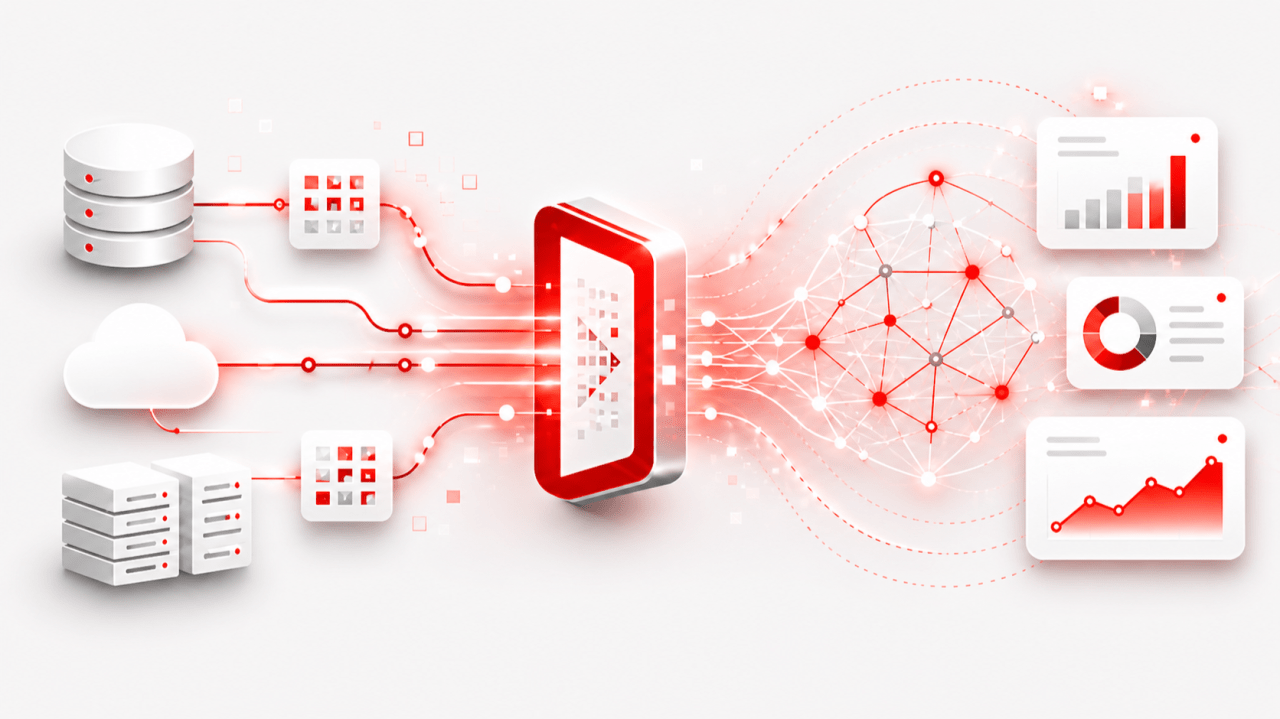
Making Your Existing Data Pipelines AI-Ready
From Stable Infrastructure to Adaptive Intelligence Most organisations do not need more data. They need their existing data to work better. At Ardent, we spend a significant amount of time inside large-scale client data platforms that are already mature, operational, and delivering value. These are not greenfield environments. They are complex ecosystems built over years, [...]
Read More... from Migrating to the cloud? Choose the right cloud migration strategy
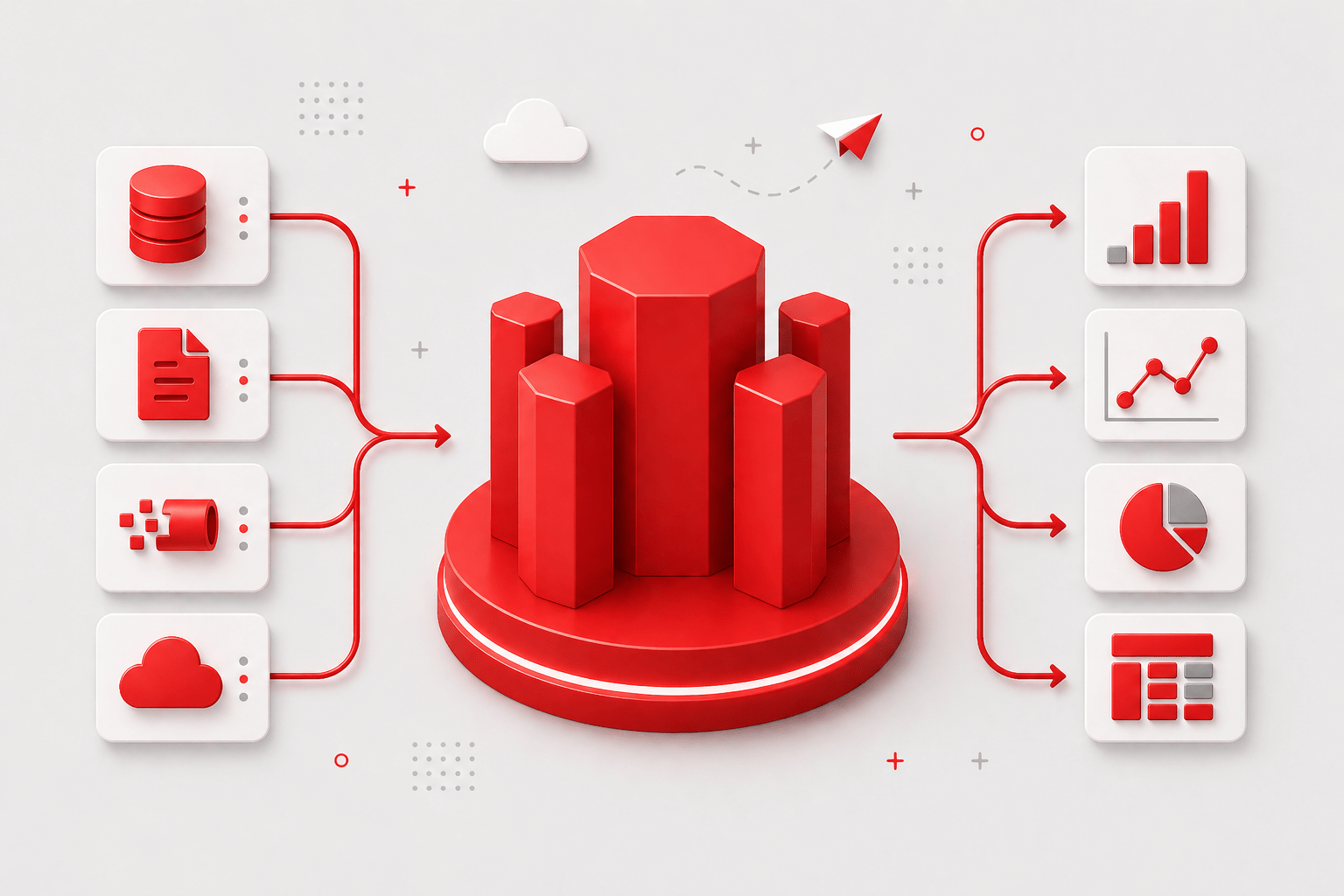
AI-Powered ETL in Amazon Redshift
When the Warehouse Starts Doing the Work In our previous piece, we explored how ETL (Extract, Transform, and Load) is evolving into adaptive, intelligent systems. In Redshift environments, we are now seeing what that shift looks like in practice. For most of its life, Amazon Redshift has been treated as the final step in the [...]
Read More... from Migrating to the cloud? Choose the right cloud migration strategy
Services
About
UK
US
India

