Becoming a Google Cloud Partner – What it entails and what it means for you
14 December 2022 | Noor Khan


Becoming a Google Cloud Partner means that a company has demonstrated skills in Google Cloud technologies and has been vetted by Google to become a partner. In this article, we will look at how you become a partner and what it means for you.
At Ardent, we pride ourselves in our expertise across world-leading technologies including Microsoft, AWS and of course the Google Cloud Platform.
How to become a Google Cloud Partner?
There are two levels of Google Cloud Partnerships, and they include Partner level and Premier Level and each differs in its requirements to receive the certification.
Partner Level
To acquire the partner level status for Google Cloud a company must have 2 professional-level certifications and a business plan is recommended.
Premier Level
To gain premier-level cloud partnerships, businesses should have a business plan, 12 professional-level certifications, 3 customer success stories and minimum qualifying billings.
What are the key benefits for a company
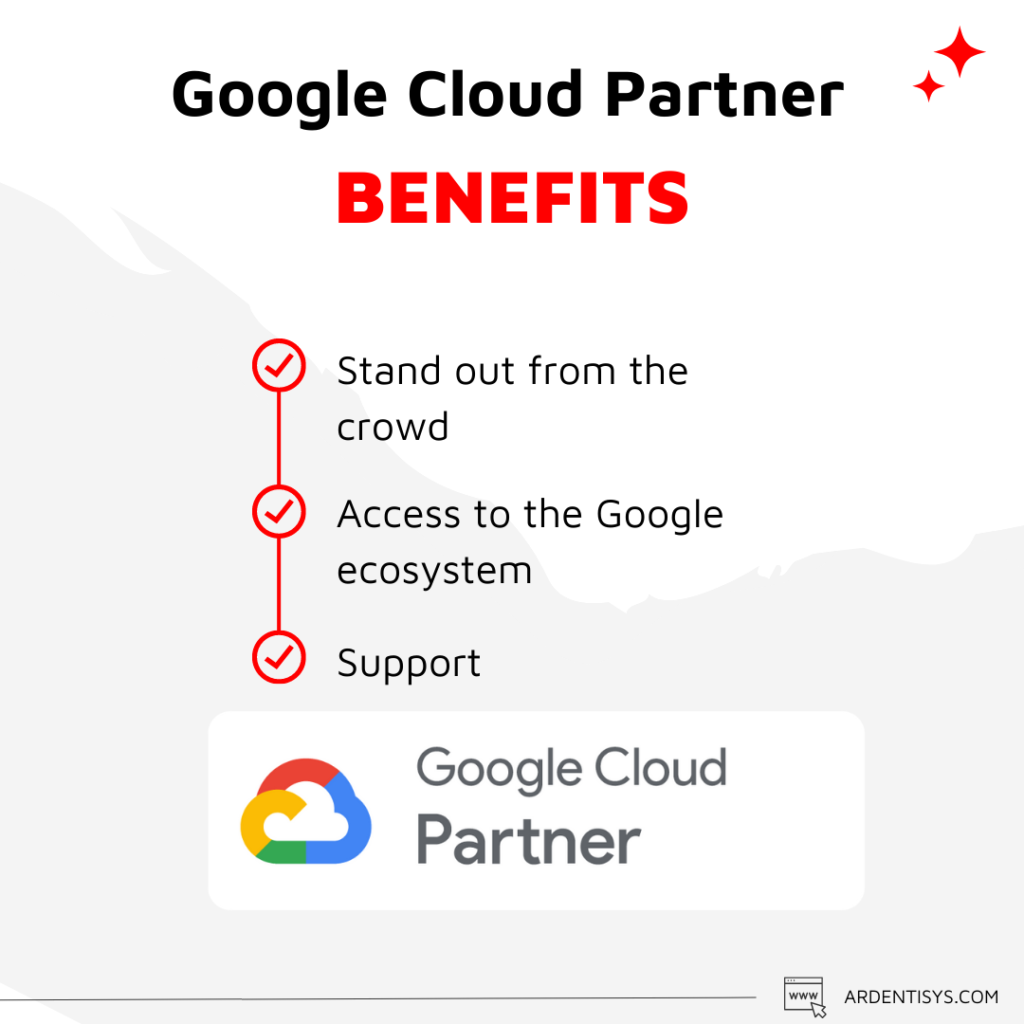
Stand out from the crowd
Not every business will invest time and resources into acquiring this certification, therefore it can help businesses stand out from the crowd of competitors.
Access to the Google ecosystem
You can access exclusive technical training courses, product roadmaps, sandbox toolkits and more.
Support
Google provide support and assistance as and when required if a business faces challenges with its cloud tools and technologies.
What are the benefits for the clients
Our clients can benefit from our Google Cloud partnership in a number of ways including:
- Access to highly skilled software and data engineers – To acquire the partnership the company has to demonstrate a high level of skills and expertise, therefore you know your solutions are being handled by experts.
- Peace of mind – You can have peace of mind by knowing your solutions are being delivered by expert hands
- Innovation with the latest technologies – To gain the certification a business must acquire certification, therefore they will have expertise in-house in leading Google Cloud technologies which can be incredibly beneficial to clients looking to employ the Google Cloud Platform technologies for their solutions.
Leading Google Cloud technologies
There are a number of leading Google Cloud Platform technologies including BigQuery, Cloud Run, and Cloud Big Table.
BigQuery
Google BigQuery is the answer to AWS Redshift and Snowflake. It is a cloud data warehousing technology that handles large volumes of data processing for business analytics and it also has machine learning capabilities. Released in 2010, it has a market share of 12.93% according to Slintel and is used by world-renowned brands across the world such as Renault, Macy’s and TUI Travel.
Cloud Run
Cloud run is a cloud app technology which offers serverless agility for application development. Cloud runs enable developers to write code in their preferred programming language of choice, framework or binary library without restrictions. This code then is packaged into a container and you can launch your cloud-based app. Cloud run offers scalability and only requires you to pay for resources used, making it a winner for developers and end clients.
Cloud BigTable
Cloud Big Table is a NoSQL database service offered by Google and shares the market with the likes of Microsoft SQL Server and MySQL. Many Google services such as Gmail, search and analytics use Cloud BigTable. Cloud BigTable can be ideal for the following types of data:
- Marketing data
- Financial data
- Graph data
- Inter of Things data
- Time-series data
Ardent in collaboration with Google Cloud Platform
We look forward to investing further in the Google Cloud Platform to further collaborate and ensure excellence for our end clients. If you are looking to develop cloud-based applications or process large volumes of data with sociability and cost-efficiency, then we can help. Our team of leading engineers can help you overcome your business challenges. Get in touch to find out more or explore our other strategic technology partners.
Ardent Insights

Which Platforms Are Ahead in AI-Ready Data Pipelines?
At Ardent, we have spent years helping organisations design, modernise and operate the data foundations behind critical reporting, analytics and decision-making. That experience gives us a clear view of what now separates AI-ready businesses from those still struggling to get value from their data. It is not the amount of data they hold, or even [...]
Read More... from Becoming a Google Cloud Partner – What it entails and what it means for you
Making Your Existing Data Pipelines AI-Ready
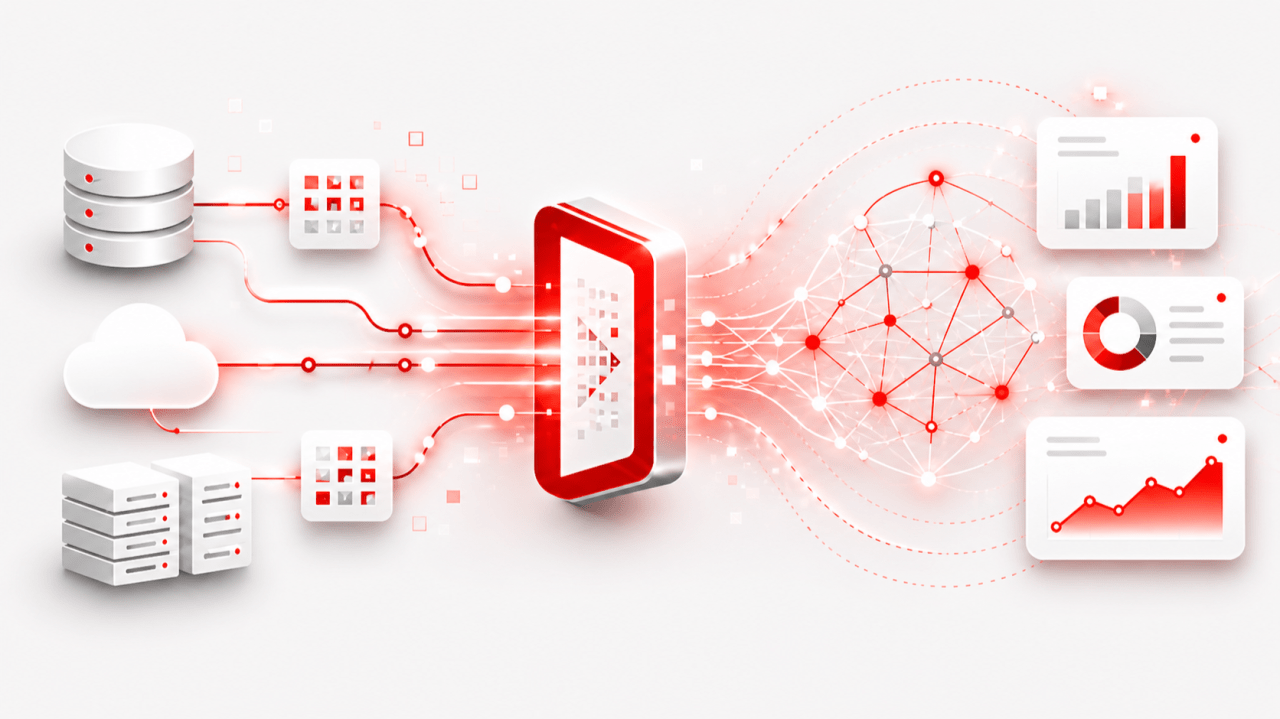
From Stable Infrastructure to Adaptive Intelligence Most organisations do not need more data. They need their existing data to work better. At Ardent, we spend a significant amount of time inside large-scale client data platforms that are already mature, operational, and delivering value. These are not greenfield environments. They are complex ecosystems built over years, [...]
Read More... from Becoming a Google Cloud Partner – What it entails and what it means for you
AI-Powered ETL in Amazon Redshift
When the Warehouse Starts Doing the Work In our previous piece, we explored how ETL (Extract, Transform, and Load) is evolving into adaptive, intelligent systems. In Redshift environments, we are now seeing what that shift looks like in practice. For most of its life, Amazon Redshift has been treated as the final step in the [...]
Read More... from Becoming a Google Cloud Partner – What it entails and what it means for you
Services
About
UK
US
India

