Project Vs Product team – Key differences and what is right for you
24 November 2022 | Noor Khan



Both project and product teams are the different structures of software development teams. Choosing the right structure for your organisation is key to the overall success of your software. There are multiple key differences to consider for each including priorities, time of use of the team, funding and much more.
There are lots of misconceptions about what a project or a product-based team is and their key difference. Here, we will aim to provide a clear picture of key differences between project-based and product-based in line with their benefits and limitation. So you can find the team structure that is right for your organisation's goals and objectives.
What is a project based team?
A project-based team is a structure that will work on a project basis consisting of a team from multiple disciplines. These teams are responsible for delivering results for the set goals within a set timeline. These teams are dispersed once the project is completed and then formed again based on skills and expertise requirements for the next project.
What are the key benefits of a project based team?
There are many key benefits of a project based which make it a winning structure for many organisations and they include:
- In a project-centric approach, success is marked once the project is delivered within the set timeframe.
- No post-project support or maintenance is required from the project team.
- Priorities are in line with business goals and objectives
- Experienced teams are chosen based on skills and end project goal
- Easier management with a pre-defined project manager
- Quick and efficient with the majority of the communication happening within the team to
What are the limitations of a project based team?
- Solution knowledge that was created and built during a project is almost lost when teams are dispersed as they are not likely to work on the product again
- Lack of ability to scale as compared to a product team
- There is a lack of team input as the project is already defined by stakeholders
- The actual product is not a priority, there’s a focus on the actual project and bringing it to completion.
What is a product-based team?
A product-based team will consist of an established that will work on a product-to-product basis. A product-based team will be within its set department which in itself can offer multiple benefits including retaining product knowledge.
What are the key benefits of a product-based team?
- Fixed team members which may enable a better team collaboration
- Ability to scale
- The focus is on the product and the continuous improvement and evolution
What are the limitations of a product-based team?
- The higher complexity of the work
- Timelines are not a priority as compared to the project-based team
- Significant investment is required for skills building
- A lack of hierarchy can make reporting and managing complex
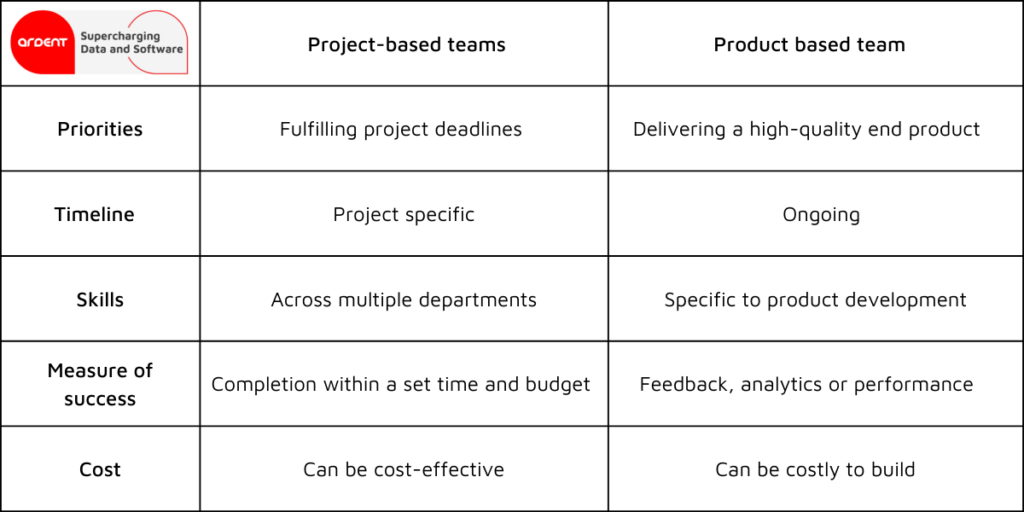
What are the key differences between Project Vs Product team
The following are some of the key differences between the two:
Ardent project-based extended team services
At Ardent with or project-based extended service, we combine the benefits of both to bring you a cost-effective solution with the expertise and skills to deliver a high-quality end product within the set time and budget.
We have worked on several client projects with their in-house team to bring their vision to life. Working on a project basis, our highly skilled and experienced software engineers come on board to enhance team skills and expertise to deliver a successful project. If you are looking for additional resources, skillsets or expertise for your next project, we can help. Get in touch to find out more or how to get started with building a high-performing software team that can deliver results quickly and efficiently without comprising on quality. Some key benefits of our project-based extended team services include:
- Enhance team strengths
- Bridge skills and resource gaps
- Work as an ETM model
- Cost-efficient to complete outsourcing
- Bring in expertise to improve the end product
Ardent Insights

Which Platforms Are Ahead in AI-Ready Data Pipelines?
At Ardent, we have spent years helping organisations design, modernise and operate the data foundations behind critical reporting, analytics and decision-making. That experience gives us a clear view of what now separates AI-ready businesses from those still struggling to get value from their data. It is not the amount of data they hold, or even [...]
Read More... from Project Vs Product team – Key differences and what is right for you
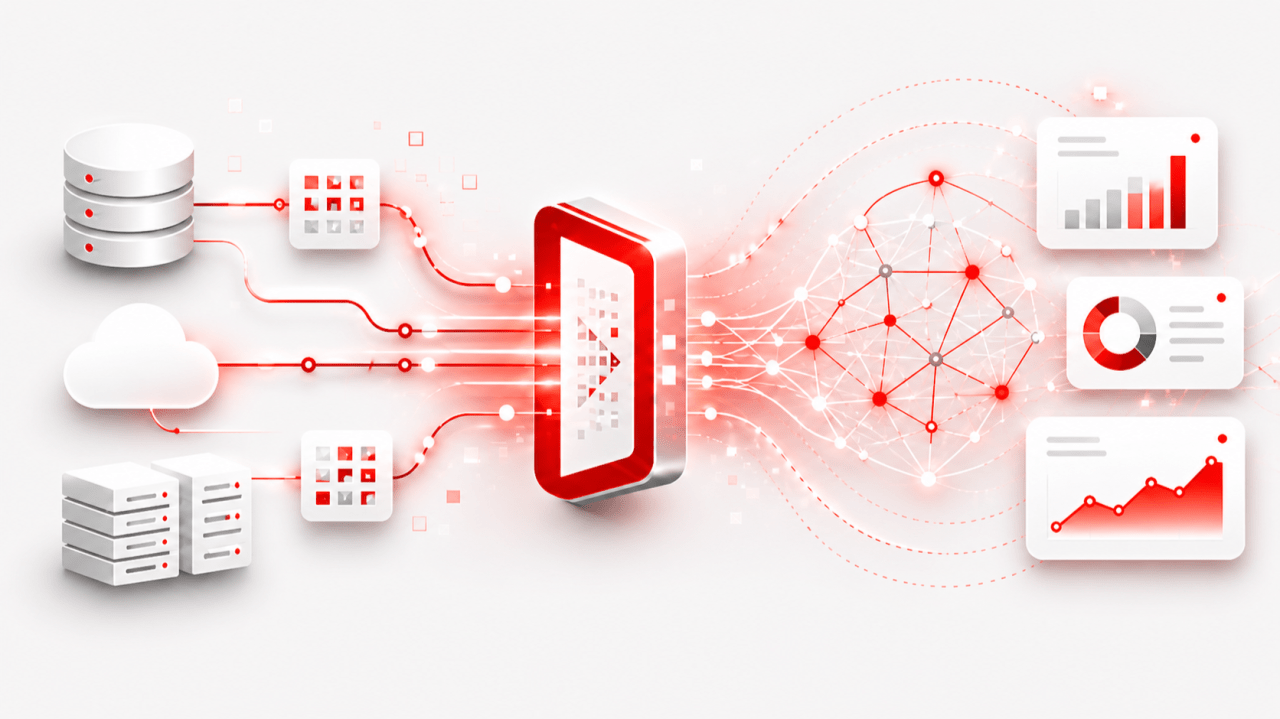
Making Your Existing Data Pipelines AI-Ready
From Stable Infrastructure to Adaptive Intelligence Most organisations do not need more data. They need their existing data to work better. At Ardent, we spend a significant amount of time inside large-scale client data platforms that are already mature, operational, and delivering value. These are not greenfield environments. They are complex ecosystems built over years, [...]
Read More... from Project Vs Product team – Key differences and what is right for you
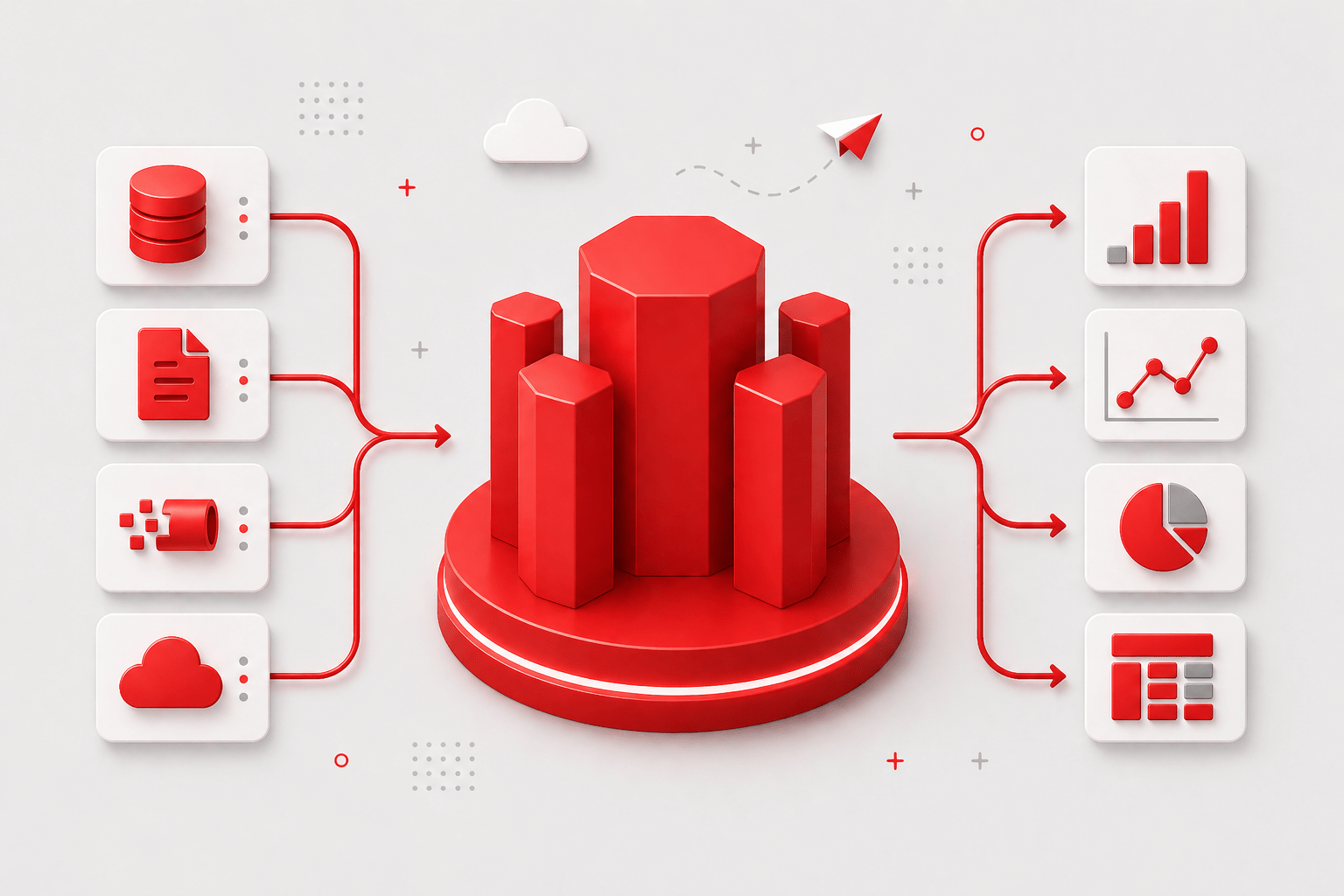
AI-Powered ETL in Amazon Redshift
When the Warehouse Starts Doing the Work In our previous piece, we explored how ETL (Extract, Transform, and Load) is evolving into adaptive, intelligent systems. In Redshift environments, we are now seeing what that shift looks like in practice. For most of its life, Amazon Redshift has been treated as the final step in the [...]
Read More... from Project Vs Product team – Key differences and what is right for you
Services
About
UK
US
India

