Web app development three-tier architecture – understanding the differences
21 November 2022 | Noor Khan


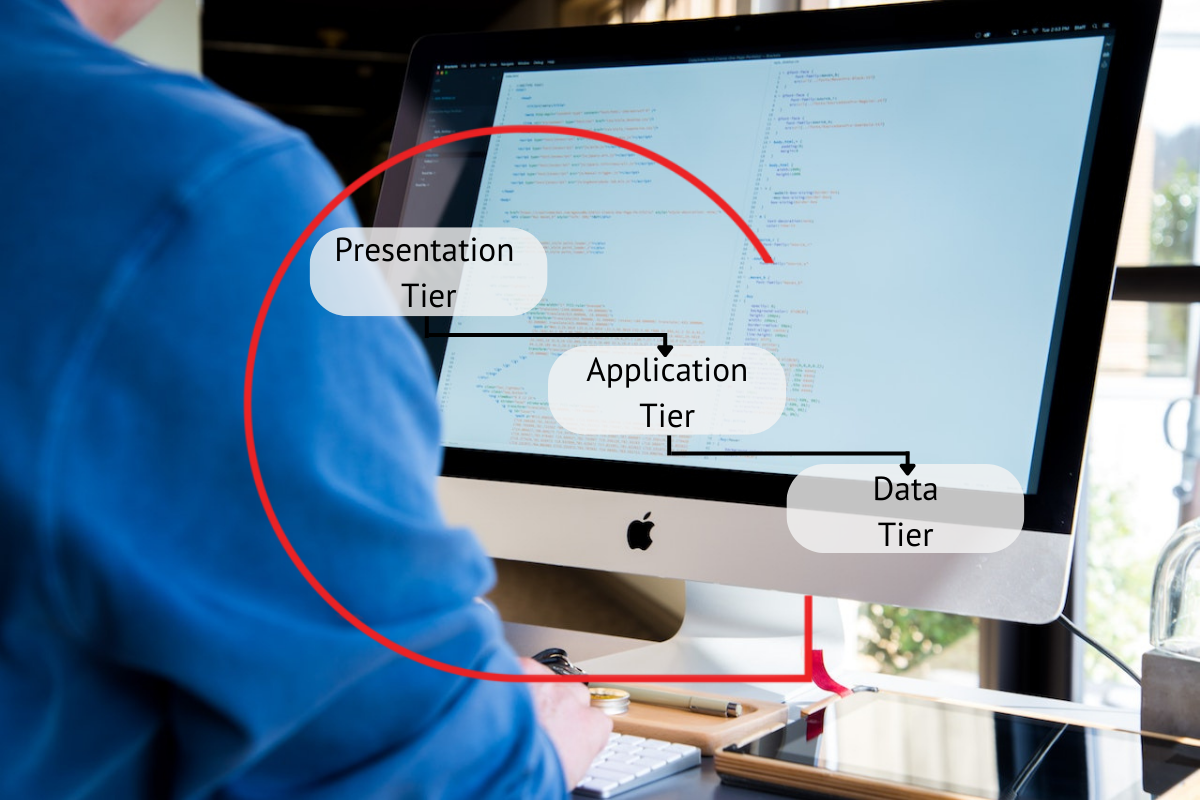
There are multiple architectures for web app development. In this article, we will look at web application development and the three-tier architecture, which includes the presentation tier, the application tier which is also known as the logic tier and the data tier.
We will explore the three tiers, the key technologies used to build each tier and the benefits of the three-tier architecture compared to some of the others including the two-tier structure and the N-tier structure.
The three tiers of web app development and what they mean
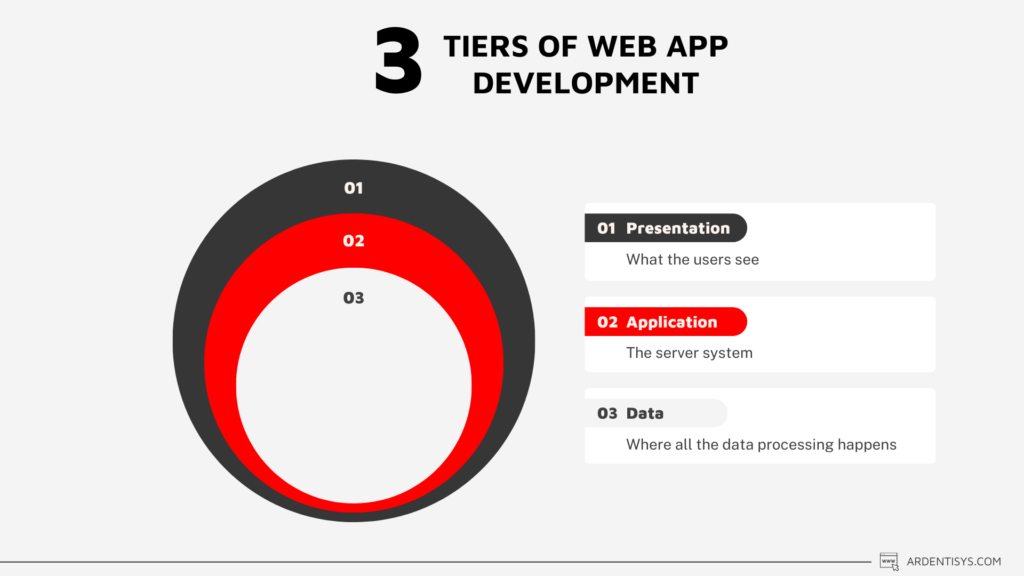
Presentations tier
The presentation tier of a web app is the tier which is visible to the user. This tier is deployed to the device whether it is a desktop or a tablet through a web app. The communication between the presentation tier and the application tier is carried out with an API (Application Programming Interface).
Application tier
The application tier which is also known as the logic tier is the middle tier of web app development. It is the server system, whether on-premise or on the cloud, and it supports and main functionality of the app.
Data tier
The data tier of the web app processes and stores all the app data. This database can be hosted on an on-premise server or on the cloud which depends on the technologies adopted for the build of this tier.
Most popular technologies to build the three-tier architecture
Presentations tier technologies
Some of the most common technologies used to build the presentation tier of a web app are HTML, CSS and JavaScript. These are some of the leading programming languages which are used widely by developers across the world.
Application tier technologies
The application can be developed using many technologies including the like of Python, Java, PHP and Ruby. Your programming language of choice will depend on your end requirements for the web app and its functionality.
Data tier technologies
Some of the most common and world-renowned technologies which are used for the data tier of a web app include MySQL, Oracle MongoDB, PostgreSQL and Microsoft SQL Server.
Key benefits of adopting the three-tier architecture
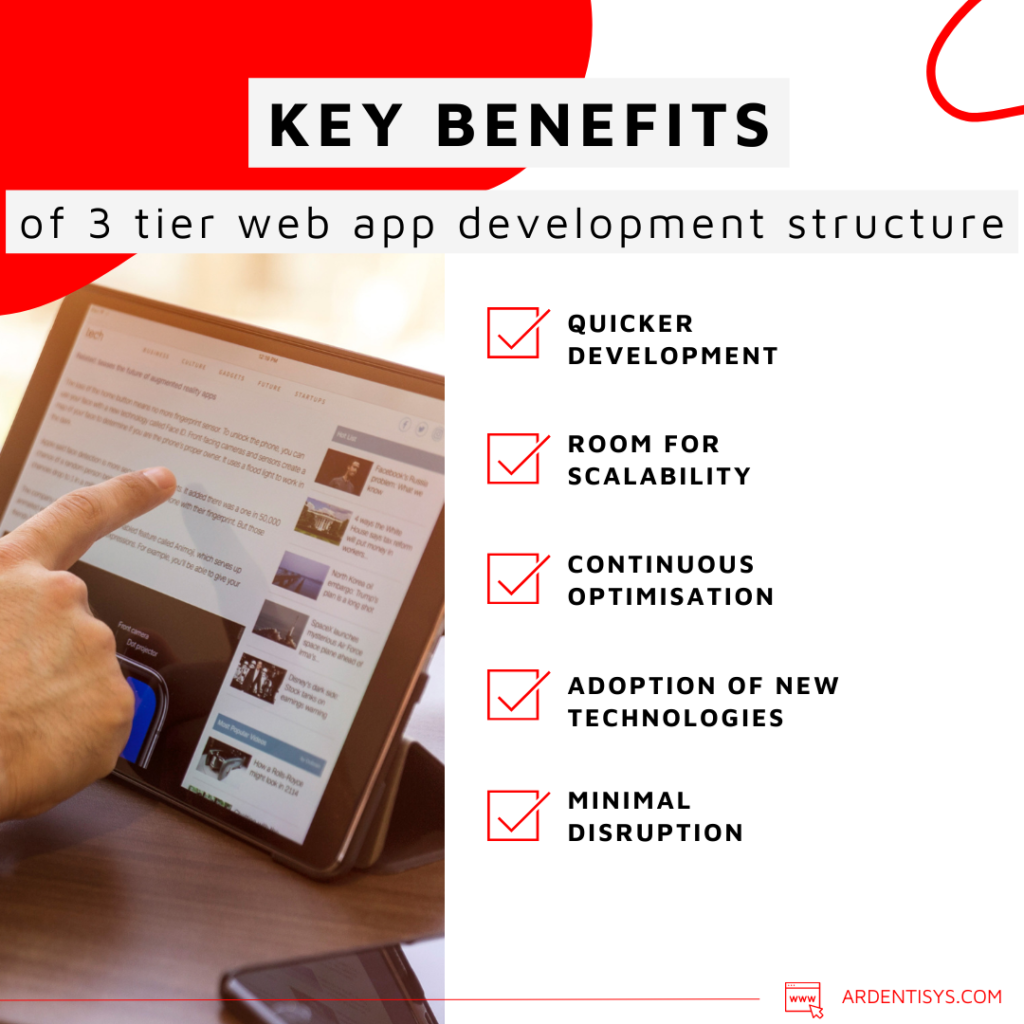
The following are the key benefits of adopting the three-tier architecture for your web app development:
Quicker development
As each tier can be developed independently and simultaneously, this can result in a much quicker development enabling speedy go-live.
Room for scalability
As the three tiers work together but are independent of one another this offers room for scalability. For example, if the user base for a web app was significantly increasing, then the data tier can be altered in terms of the technology or the type of database being employed to allow for this increase in data to ensure the web app functions effectively. This can be done without having to make significant changes to the entire app.
Optimisation and updates
Continuous optimisation and updates can be made as and when necessary to each tier without having to update the entire app.
Adoption of new technologies
Organisations can easily adopt the latest technologies which may be suitable for each tier of the app. For example, if Angular is used to develop the presentations tier of the web app, then they may want to update the presentation to the latest version of Angular. This can be done easily without having to update the entire app.
Minimal disruption to the organisation
Updates and changes to the app will cause disruption especially if it takes a long time. However, updates can be made tier by tier which can minimise the disruption of the process as each update on each tier will be isolated from one other.
Other web app development architectures to consider
Two-tier architecture
The two-tier architecture can be the more cost-efficient solution compared to a three-tier structure, however, it will present some limitations such as scalability which is one of the core benefits of the three-tier structure. The two-tier structure essentially removes the application structure and consists of the presentation tier (or interface) which runs on the client and the data structure on a server.
N-tier architecture
The N-tier architecture for software consists of multiple layers and tiers. The N-tier architecture also has three tiers including the web tier, the middle tier and the data tier. Additionally, you can adopt two different methods of the N-tier architecture which are the open layer (when a layer can communicate with another) and the closed layer architecture (one layer can only communicate with the next immediate layer). The N-tier architecture is great for IaaS (infrastructure-as-a-service) applications or when using managed services.
Ardent web app development services
Ardent has worked with several leading technologies including JavaScript, Python, PHP, Ruby, MongoDB, Oracle and more to deliver secure, scalable and robust web apps. If you are looking to get started on bringing your vision to life with a web app to fulfil your requirements and to help overcome your business challenges, we can help. Get in touch to find out more or to set up a discovery call where we can help find the right solution for you.
Ardent Insights
Which Platforms Are Ahead in AI-Ready Data Pipelines?
At Ardent, we have spent years helping organisations design, modernise and operate the data foundations behind critical reporting, analytics and decision-making. That experience gives us a clear view of what now separates AI-ready businesses from those still struggling to get value from their data. It is not the amount of data they hold, or even [...]
Read More... from Web app development three-tier architecture – understanding the differences
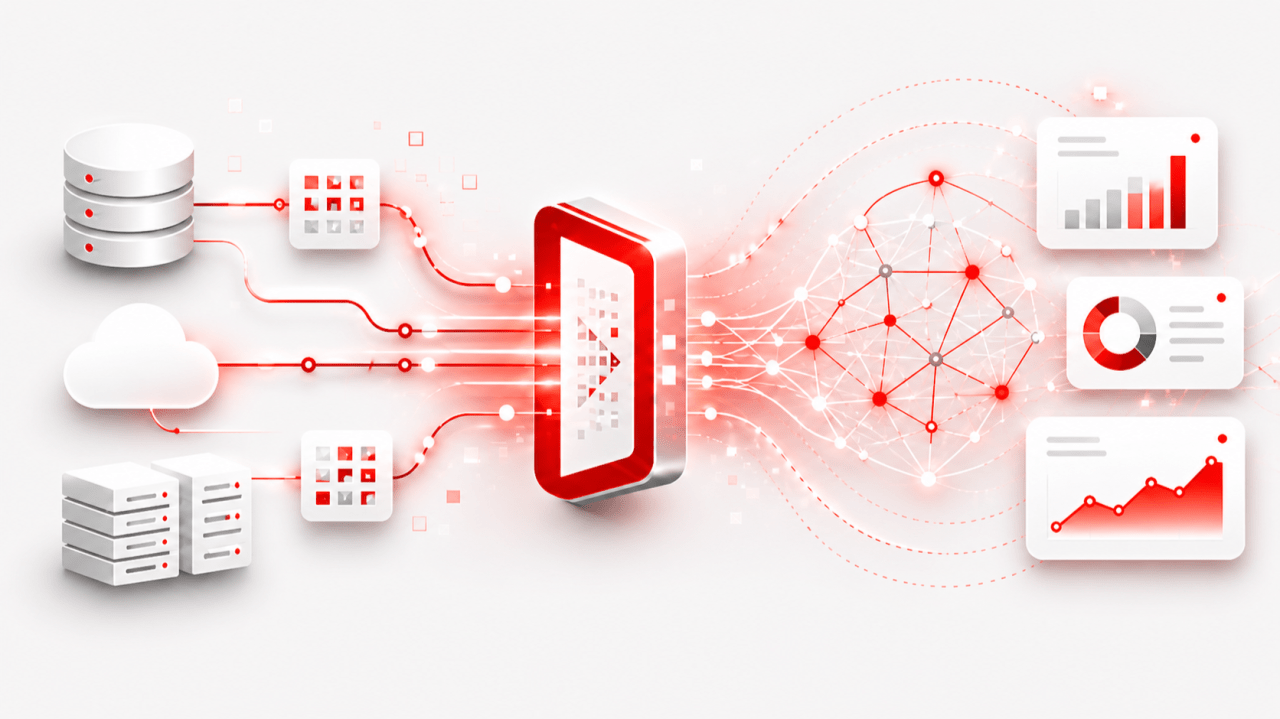
Making Your Existing Data Pipelines AI-Ready
From Stable Infrastructure to Adaptive Intelligence Most organisations do not need more data. They need their existing data to work better. At Ardent, we spend a significant amount of time inside large-scale client data platforms that are already mature, operational, and delivering value. These are not greenfield environments. They are complex ecosystems built over years, [...]
Read More... from Web app development three-tier architecture – understanding the differences
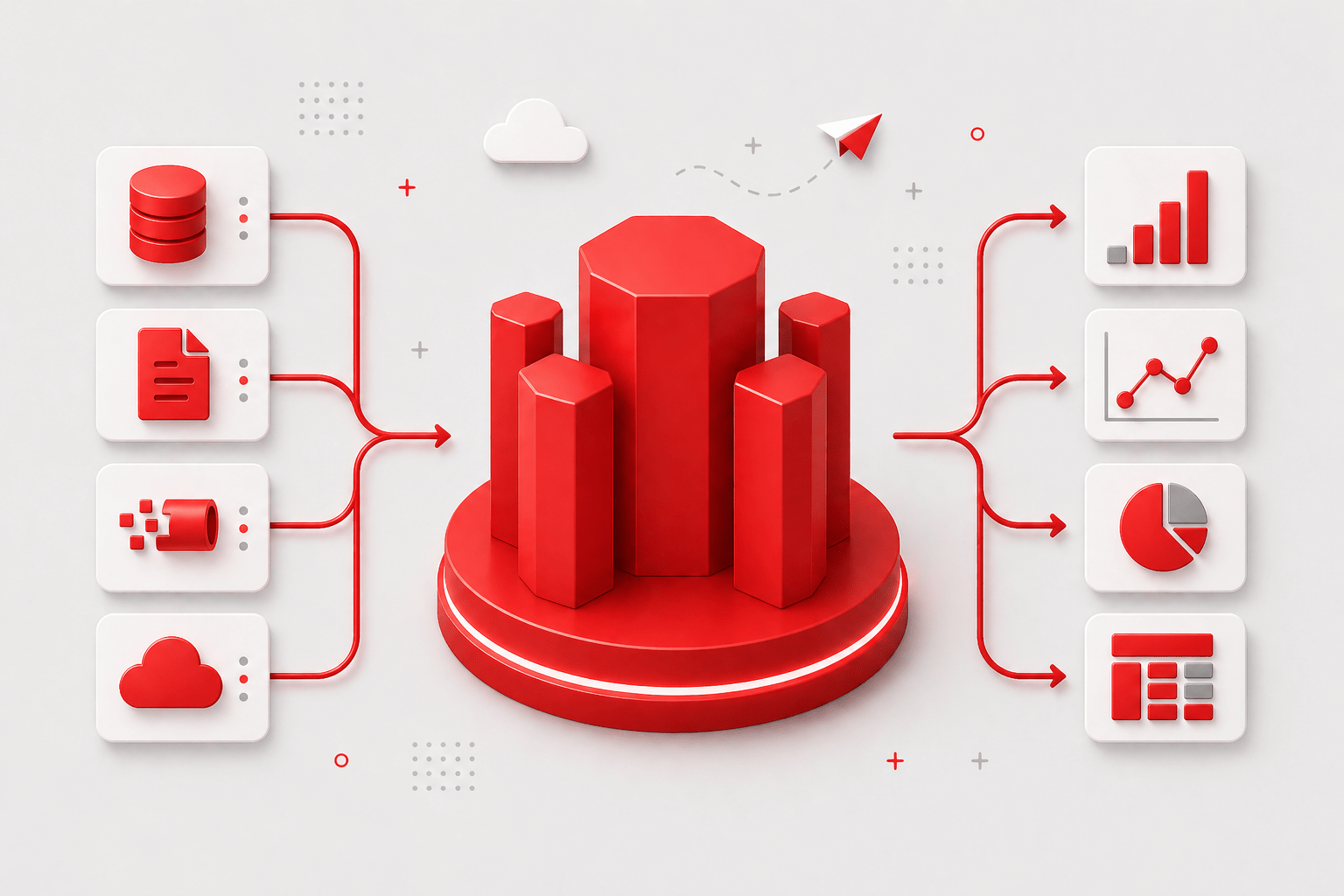
AI-Powered ETL in Amazon Redshift
When the Warehouse Starts Doing the Work In our previous piece, we explored how ETL (Extract, Transform, and Load) is evolving into adaptive, intelligent systems. In Redshift environments, we are now seeing what that shift looks like in practice. For most of its life, Amazon Redshift has been treated as the final step in the [...]
Read More... from Web app development three-tier architecture – understanding the differences
Services
About
UK
US
India

