How to approach batch processing for your data pipelines
11 November 2022 | Noor Khan



Batch processing is a method for taking high-volume repetitive jobs and automating them into a series of steps which cover extraction, aggregating, organising, converting, mapping, and storing data. The process requires minimal human interaction and makes the tasks more efficient to complete, as well as putting less stress on internal systems.
What is a data pipeline?
A Data Pipeline is essentially a set of tools and/or processes which handle the movement and transformation of data through an automated sequence, with data being transferred between a targeted source and a target location.
Find out more: Building data pipelines – a starting guide
Utilising batch processing on your data pipelines can make the data movement, organisation, and structure, more efficient, resource-friendly, and optimised for your business needs, and make larger quantities of data available for processing.
What needs to happen for batch processing?
In order to manage the data effectively, batch processing looks at automating frequent and repetitive tasks and arranges the data by certain parameters, such as – who has submitted the job? Which program it needs to run? Where are the input and output locations? When does this job need to run?
Compared to other tools, batch processing has a much simpler, more streamlined structure, and does not need to be maintained or upgraded as often as others; and because the processing can handle multiple jobs or data streams at a time, it can be used for faster business intelligence and data comparisons.
Batch processing with your data pipeline on the cloud
Organisations these days tend to make use of cloud storage systems, to increase their available space, and reduce overhead costs. Batch processing is one of the few areas where there has not been a significant working change in operations – Extract, Load, Transform (ETL) data movement and transformation is still the most popular option and does not look to be disappearing from use any time soon.
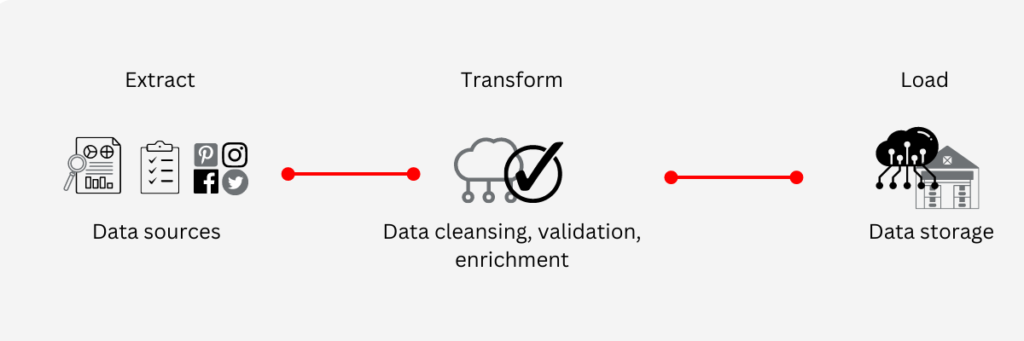
The free flow of data along the data pipelines has remained a popular data option for businesses looking to handle increasingly large data requests and requirements.
One of the most significant issues batch processing can raise for companies is debugging the systems, as they can be difficult to manage without a dedicated team, or skilled staff to identify the issues and fix occurring problems. This is a consideration that needs to be contemplated when deciding on what service to use and who will be assisting with the maintenance of the data pipelines.
Batch processing method
There are different methods for processing data, batch processing is only one of them – you may also want to consider stream or micro-batch options; however, this will depend on the complexity of your needs, the size of your business, and the existing platforms or tools that you are using to handle your needs, and your data pipeline.
You will also need to consider whether a real-time data pipeline is a more effective option than running a batch processing, especially if you are dealing with time-sensitive data or information (such as payroll or billing systems that need to be processed on different schedules – such as weekly, fortnightly, or monthly, depending on the time of year).
Find out what you need to consider when looking to build scalable data pipelines
Batch processing for your data pipelines with Ardent
Ardent have worked with a number of clients to deliver a wide variety of data pipeline to suit each client's unique needs and requirements. If you are unsure what type of data processing is best suited to your data and data pipelines, then we can help. Our leading engineers with decades of experience can guide you through the process of establishing your challenges, defining your requirements and suggesting the solution best for you with the recommendation of the most suitable technologies. Get in touch to find out more, or explore our data pipeline development services.
Ardent Insights

Which Platforms Are Ahead in AI-Ready Data Pipelines?
At Ardent, we have spent years helping organisations design, modernise and operate the data foundations behind critical reporting, analytics and decision-making. That experience gives us a clear view of what now separates AI-ready businesses from those still struggling to get value from their data. It is not the amount of data they hold, or even [...]
Read More... from How to approach batch processing for your data pipelines

Making Your Existing Data Pipelines AI-Ready
From Stable Infrastructure to Adaptive Intelligence Most organisations do not need more data. They need their existing data to work better. At Ardent, we spend a significant amount of time inside large-scale client data platforms that are already mature, operational, and delivering value. These are not greenfield environments. They are complex ecosystems built over years, [...]
Read More... from How to approach batch processing for your data pipelines
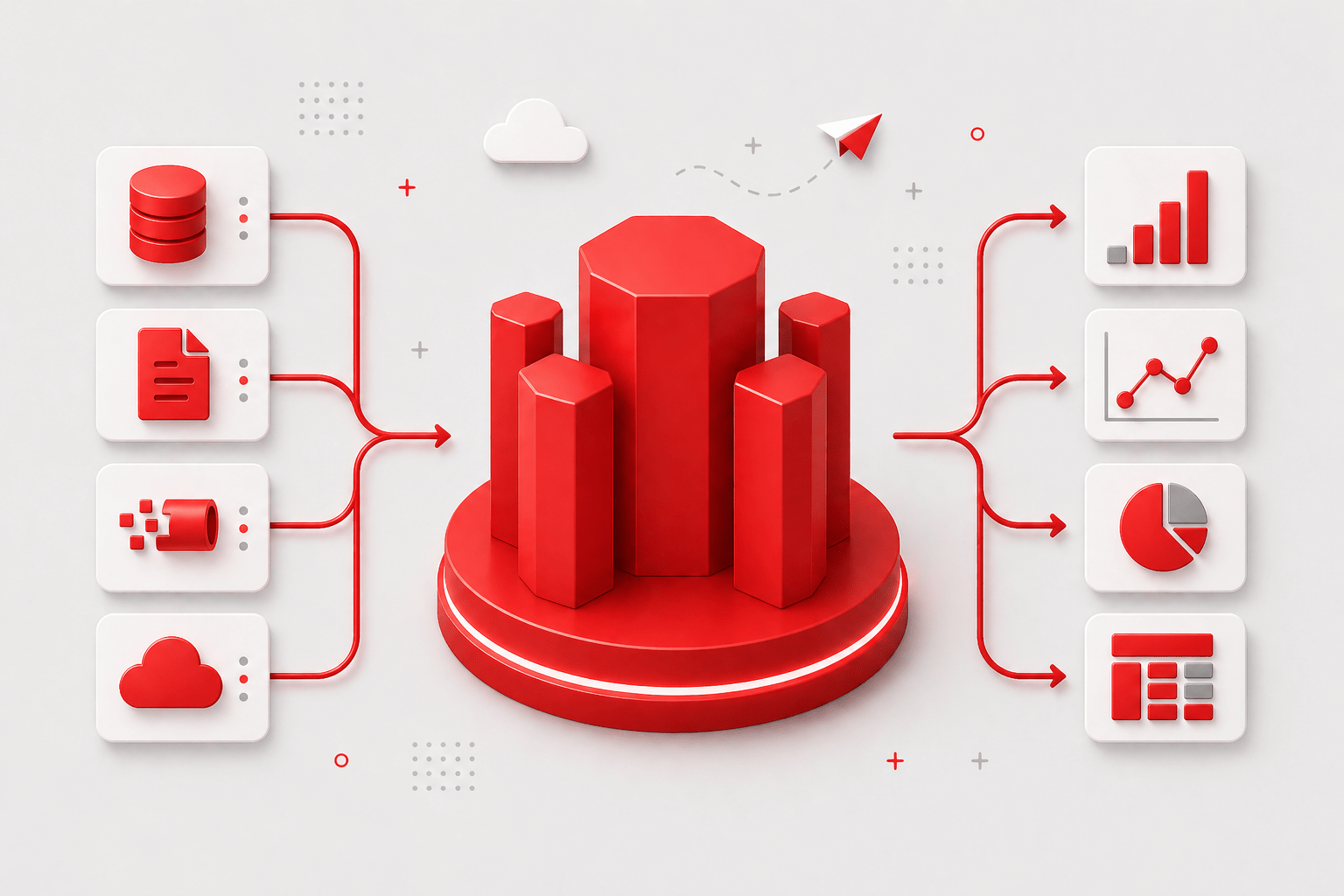
AI-Powered ETL in Amazon Redshift
When the Warehouse Starts Doing the Work In our previous piece, we explored how ETL (Extract, Transform, and Load) is evolving into adaptive, intelligent systems. In Redshift environments, we are now seeing what that shift looks like in practice. For most of its life, Amazon Redshift has been treated as the final step in the [...]
Read More... from How to approach batch processing for your data pipelines

Services
About
UK
US
India

